
 Laura Mariano
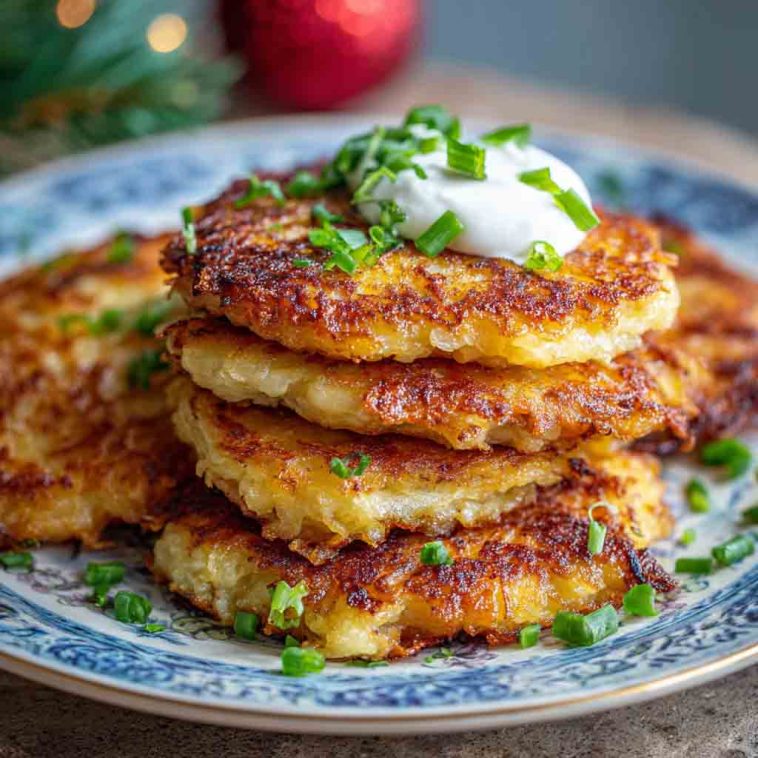
The Golden Glory of Buttery German Potato Pancakes
Golden and sizzling straight from the skillet, buttery German potato pancakes—known as Kartoffelpuffer or Reibekuchen—are one of the most cherished dishes in German cuisine. Their appeal lies in the perfect contrast: shatteringly crispy edges that give way to soft, buttery interiors. These humble pancakes are simple, honest, and utterly satisfying.
Whether you’re reminiscing about a visit to a German Christmas market or simply craving a hearty, warming dish, these potato pancakes deliver. They’re traditionally served with applesauce for a sweet touch or herbed sour cream for a savory flair. In this guide, you’ll learn not only how to make the classic version but also the buttery tricks that elevate them from good to unforgettable.
What Are German Potato Pancakes?
German potato pancakes are rustic, shallow-fried pancakes made primarily from grated potatoes and onions, bound with egg and flour, and pan-fried until golden. Their roots are humble, tracing back to home kitchens where economical ingredients were transformed into comforting meals. Today, they’re iconic street food, especially popular during the winter months and festive markets.
They’re known by several names depending on the region:
- Kartoffelpuffer (standard German)
- Reibekuchen (Rhineland)
- Erdäpfelpuffer (Austrian German)
Compared to American hashbrowns or Jewish latkes, Kartoffelpuffer tend to be softer in the middle and are traditionally fried in a mix of butter and oil for deep flavor and crisp texture. The use of butter not only enhances the richness but also gives these pancakes their signature golden hue.
Enjoyed both sweet and savory, they can be a snack, a side dish, or even a main course. Applesauce, smoked salmon, or sour cream—they pair beautifully with a range of flavors.
Ingredient Breakdown: Simple, Honest, and Full of Flavor
Potatoes
The heart of the recipe. Starchy potatoes like Russets create a crisp edge and fluffy interior. Yukon Gold also work well for their slightly buttery flavor and balance between starch and moisture. Avoid overly waxy potatoes, which can be gluey.
Onion
Grated and mixed directly into the batter, onion adds savory depth and balances the natural sweetness of the potatoes.
Eggs
A single egg (or two for larger batches) binds the mixture together.
Flour
A bit of flour helps hold the mixture and contributes to the crisp finish. Some recipes use matzo meal or breadcrumbs for variation.
Salt & Pepper
Simple seasoning is key. Be generous with salt to highlight the potato flavor.
Butter
Melted into the pan for flavor and color. Combined with a neutral oil (like sunflower or canola), butter delivers that signature golden crust without burning.
Optional Add-ins:
- Fresh herbs (parsley, chives, or dill) for brightness
- Garlic (minced) for extra savoriness
- Nutmeg (just a pinch) adds a traditional, cozy German note
- Cheese (such as Parmesan or Emmental) for modern richness
Pro Tip: Drain the grated potato and onion thoroughly using a kitchen towel or cheesecloth. The drier the mixture, the crispier the pancake.
Essential Tools for Perfect Pancakes
You don’t need fancy gadgets, just a few reliable kitchen tools:
- Box grater or food processor with a grating disc – for fast, uniform potato shredding
- Clean kitchen towel or cheesecloth – essential for squeezing out moisture
- Mixing bowls – one for mixing, another for draining
- Heavy-bottom skillet or nonstick frying pan – for even frying
- Slotted spatula – makes flipping easier without breaking the pancakes
- Optional: Mandoline for ultra-consistent slices or grating with precision
Step-by-Step Instructions: Crispy, Buttery Perfection Every Time
Step 1: Grate the potatoes and onion
Peel the potatoes and grate them by hand or using a food processor. Grate the onion directly into the same bowl. Stir to combine.
Step 2: Drain thoroughly
Transfer the mixture into a kitchen towel or cheesecloth and squeeze out as much liquid as possible. This step is crucial to avoid soggy pancakes.
Step 3: Mix the batter
In a bowl, combine the grated potato and onion with one egg, 2–3 tablespoons of flour, salt, pepper, and any optional herbs or seasonings. The mixture should hold together loosely without being watery.
Step 4: Heat butter and oil
In a heavy skillet, heat 1 tablespoon of butter and 1 tablespoon of oil over medium heat. The butter will provide flavor while the oil keeps it from burning.
Step 5: Form and fry the pancakes
Scoop 2–3 tablespoons of the mixture into the pan and flatten gently with the back of the spoon. Don’t overcrowd the pan—fry in batches for even crisping.
Step 6: Flip and cook until golden
Fry each pancake for about 3–4 minutes per side until deep golden and crisp. Adjust heat as needed to prevent burning.
Step 7: Drain and keep warm
Transfer the finished pancakes to a paper towel–lined plate. If making a large batch, keep them warm in a 90°C (200°F) oven.
Pro Tip: Don’t rush the process—moderate heat ensures even cooking and a crisp finish without burning.
Serve immediately with applesauce for sweetness or a dollop of herbed sour cream for savory satisfaction.
Delicious Variations Worth Trying
German potato pancakes are wonderfully adaptable. Whether you’re in the mood for sweet, savory, or something a little bold, there’s a version for you:
Classic Sweet Style: This old-school pairing is beloved at Christmas markets. Serve your Kartoffelpuffer warm with applesauce, a sprinkle of cinnamon sugar, or even a dollop of whipped cream for a nostalgic dessert-like twist.
Savory Herb Butter: Add finely chopped chives, thyme, or rosemary into the batter for a flavor boost. Serve with a pat of herb-infused butter on top for an elegant touch.
Cheesy Kartoffelpuffer: Fold in grated cheddar, Gruyère, or Parmesan for a golden, crispy crust and melty interior. This version pairs beautifully with a spicy mustard or garlic aioli.
Smoked Salmon Topping: Turn your pancakes into a gourmet brunch. Top with crème fraîche, slices of smoked salmon, and a few sprigs of fresh dill.
Vegan Version: Replace eggs with a flax egg (1 tbsp ground flax + 2.5 tbsp water) and use plant-based butter or oil. The result is still golden and crispy!
Gluten-Free Version: Swap regular flour with rice flour or chickpea flour for a naturally gluten-free version that still holds together and crisps beautifully.
Tip: Play with toppings and mix-ins to make them fit your occasion—festive brunch, quick lunch, or comforting side dish.
How to Serve Buttery German Potato Pancakes
Potato pancakes are best served immediately, fresh from the skillet when they’re hot, crisp, and buttery.
Topping Ideas:
Applesauce – the traditional sweet counterpart
Lingonberry jam – a Scandinavian twist
Sour cream + fresh herbs – cooling and creamy
Soft-poached egg – turns it into a hearty breakfast
German mustard or horseradish sauce – zingy and bold
Ideal Pairings:
Sausages – Try bratwurst or Nürnberger for a hearty combo
German cucumber salad – cool and refreshing
Light soups – like vegetable broth, pea soup, or beer cheese soup
These pancakes are incredibly versatile. Serve them as a starter, a main, or even part of a festive buffet spread.
Pro Tip: Keep finished pancakes warm in a 200°F (90°C) oven while frying the rest—just place them on a wire rack over a baking tray.
Make-Ahead, Storage, & Reheating Tips
Planning ahead? You can prep these in stages without losing quality.
Make-Ahead:
Grate and drain your potatoes, then store the shreds in an airtight container in the fridge for up to 1 day. Add lemon juice to prevent browning.
Alternatively, prepare the batter fresh just before frying.
Storage:
Store cooked pancakes in the fridge for 3–4 days.
Separate them with parchment and place in a sealed container.
Freezing:
Lay cooled pancakes in a single layer on a parchment-lined tray.
Freeze until solid, then transfer to a zip-top freezer bag.
They’ll keep for up to 2 months.
Reheating:
Oven: Bake at 375°F (190°C) for 10 minutes for crisp edges.
Skillet: Pan-fry with a dab of butter to revive the original texture.
Avoid microwaving—you’ll end up with soft, soggy pancakes.
Pro Tip: Stacking pancakes? Layer with paper towels to absorb moisture and keep the bottoms from turning limp.
Troubleshooting & Expert Tips
Even simple recipes can be fussy—here’s how to troubleshoot common pancake pitfalls:
Falling apart? You may need more flour or another egg to bind the batter.
Soggy pancakes? You likely didn’t drain the shredded potatoes well enough.
Not crispy enough? Your pan might have been too crowded or not hot enough. Use medium-high heat and avoid flipping too early.
Burnt outside, raw inside? Lower the heat slightly and press pancakes thin for even cooking.
Graying batter? That’s oxidation. Mix in a little lemon juice or white vinegar to keep the batter looking fresh.
Bold Tip: Always fry a single test pancake first—it’s the best way to adjust salt, seasoning, and consistency before cooking the full batch.
FAQs – People Also Ask
What’s the difference between Kartoffelpuffer and Rösti?
While both are potato-based and pan-fried, Kartoffelpuffer are finer-grated and often include flour, egg, and onion for binding. Rösti, a Swiss dish, is usually made from coarsely grated or parboiled potatoes with minimal seasoning.
Can you make potato pancakes with leftover mashed potatoes?
Yes! Leftover mashed potatoes can be repurposed into a softer, mashed-style pancake. Add egg, flour, and perhaps a bit of baking powder for lift—but expect a different texture than shredded potato versions.
What’s the best oil or butter to fry German potato pancakes in?
A mix of butter and neutral oil (like canola or sunflower) gives you the best of both worlds—rich flavor from the butter and a higher smoke point from the oil.
Can I make German potato pancakes ahead of time?
Yes, you can make and reheat them, but they’re best fresh. You can also prep the batter ingredients and fry them just before serving.
Are German potato pancakes the same as latkes?
They’re similar, but latkes often include matzo meal and are a traditional Jewish dish for Hanukkah. Kartoffelpuffer are German in origin and usually a bit finer and softer.
Do I need to peel the potatoes first?
Peeling is recommended for a smoother texture, especially with Russet or Yukon Gold. If using young, thin-skinned potatoes, it’s optional.
Why do my pancakes turn gray?
That’s due to oxidat
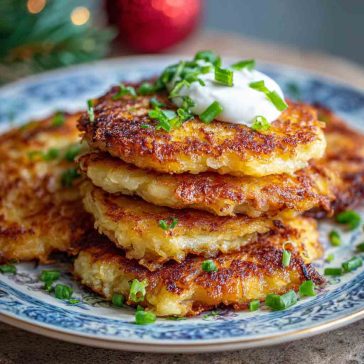
Buttery German Potato Pancakes
Equipment
- Box grater or food processor with shredding attachment
- Large mixing bowl
- Fine mesh strainer or clean kitchen towel
- Large non-stick or cast iron skillet
- Spatula
- Paper towels
- Plate or wire rack for draining cooked pancakes
Ingredients
- 2 lbs (900 g) Russet potatoes, peeled and shredded
- 1 small onion, grated (optional but traditional)
- 2 large eggs
- 3 tbsp all-purpose flour
- 1 tsp salt
- ½ tsp freshly ground black pepper
- 4 tbsp unsalted butter (or a mix of butter and neutral oil for frying)
- Lemon juice or white vinegar (a splash, to prevent oxidation)
Instructions
Prep the Potatoes:
- Peel and shred potatoes using a box grater or food processor. Place shredded potatoes in a large bowl of cold water and swish to remove excess starch.
Drain and Dry:
- Drain the potatoes thoroughly in a fine mesh strainer or wrap them in a clean kitchen towel and squeeze out as much moisture as possible. This step is key for crispy pancakes.
Combine Ingredients:
- In a large bowl, mix shredded potatoes, grated onion, eggs, flour, salt, and pepper until well combined. Add a small splash of lemon juice or vinegar to prevent discoloration.
Heat the Pan:
- Heat butter or butter/oil mix in a large skillet over medium-high heat until hot and shimmering.
Form Pancakes:
- Scoop about 1/4 cup of the potato mixture into the pan and flatten with a spatula to form a thin pancake, about 3-4 inches wide.
Cook:
- Fry until golden brown and crispy on the bottom, about 3-4 minutes, then carefully flip and cook the other side for another 3 minutes.
Drain:
- Transfer cooked pancakes to a plate lined with paper towels or a wire rack to drain excess oil.
Serve:
- Serve hot with your favorite toppings such as applesauce, sour cream, or smoked salmon.
Notes
- Choose the Right Potato: For the crispiest results, use starchy Russet potatoes. They have a higher starch content and lower moisture, which helps the pancakes crisp up nicely. Yukon Gold potatoes work too but will give a creamier, slightly softer texture.
- Drain Thoroughly: Removing as much liquid as possible from the shredded potatoes is crucial for crispy pancakes. Use a clean kitchen towel or cheesecloth to squeeze out the moisture — the drier the mixture, the better the crunch.
- Grate Fresh Onion: Adding grated onion gives a subtle sweetness and traditional flavor. If you prefer a milder taste, reduce the amount or leave it out.
- Egg and Flour Binder: The eggs and flour help hold the potato mixture together. If your batter feels too loose or your pancakes fall apart, try adding a little more flour or an extra egg.
- Frying Fat: Butter provides rich flavor, but it can burn if the heat is too high. For best results, use a mix of butter and neutral oil (like vegetable or canola oil) to get golden, crispy edges without burning.
- Test Pancake: Always fry a small test pancake first to check seasoning and frying temperature before making the full batch. This saves time and ingredients.
- Don’t Crowd the Pan: Fry pancakes in batches without overcrowding. Crowding lowers the pan temperature, leading to soggy, greasy pancakes instead of crisp ones.