

 Laura Mariano
Why Greek Potato Salad Deserves a Place at Your Table
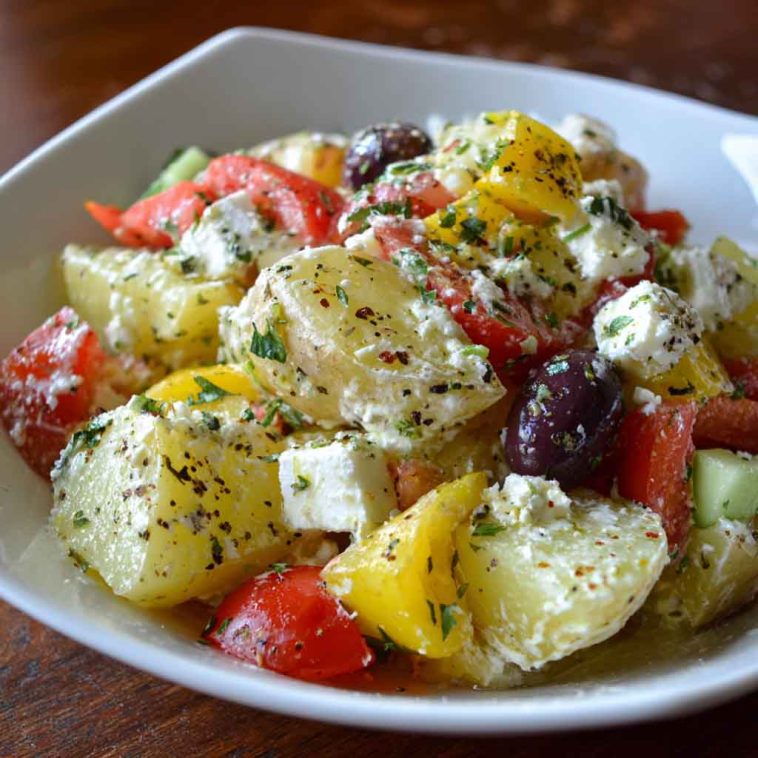
Greek Potato Salad is the perfect upgrade to your classic picnic side. This Mediterranean version skips the heavy mayo in favor of something fresher, lighter, and endlessly flavorful. Imagine warm, tender potatoes tossed in a lemony olive oil dressing, finished with briny olives, crumbled feta, and a shower of fresh herbs. It’s creamy without cream, rich without being heavy, and vibrant enough to steal the show at any barbecue or mezze spread.
What makes it a crowd favorite? It’s flexible, fast, and just fancy enough to impress without requiring a culinary degree. Whether you’re cooking for a group or just meal-prepping for yourself, this potato salad delivers bright, bold flavor with simple, wholesome ingredients. In this section, you’ll learn the foundational recipe, which potatoes work best, how to layer flavor, and the step-by-step method to bring it all together.
What Makes Greek Potato Salad Different?
If your idea of potato salad involves a tub of mayonnaise, this might just blow your mind—in the best way possible. Greek potato salad ditches the mayo entirely, swapping it for high-quality extra virgin olive oil and a zippy splash of lemon juice or red wine vinegar. The result? A salad that’s lighter, tangier, and so much more refreshing.
Key players include:
Red onion for a touch of sweetness and bite
Kalamata olives to bring that signature briny depth
Feta cheese for a rich, salty contrast
Fresh herbs like parsley, dill, or mint for a fresh, green finish
Another major shift from traditional versions? Greek potato salad is often served warm or at room temperature. This keeps the texture perfect and helps the potatoes soak in all that lovely dressing.
Perfect as part of a mezze platter, for a summer picnic, or alongside grilled meats, this dish fits into a wide range of meals—from elegant spreads to casual family dinners.
Choosing the Right Potatoes for Greek Potato Salad
Potatoes may seem simple, but choosing the right type is everything when it comes to texture. For Greek-style potato salad, you want waxy potatoes that hold their shape well once boiled. Here are the best options:
Yukon Golds – buttery and tender with a beautiful yellow hue
Red potatoes – slightly firmer, great for visual contrast
Fingerling potatoes – thin-skinned, creamy inside, and elegant on the plate
Avoid Russets or starchy baking potatoes. They tend to break down and turn mushy in vinaigrette-based salads.
Should you peel them? That’s up to you! If the skins are thin and clean, feel free to leave them on for extra color, nutrients, and rustic charm. If you prefer a smoother look and texture, peeling is just fine.
Boiling tips:
Start with cold water for even cooking.
Salt the water generously (like pasta water)—this seasons the potatoes from within.
Cook just until fork-tender, then drain immediately and let them cool slightly before slicing.
Pro Tip: Salt your boiling water like you would for pasta—it’s the first and most important layer of flavor.
Key Ingredients Breakdown: What Makes It Greek
Let’s break down the must-haves and optional twists:
Potatoes
Boiled just until tender. You want them soft but still holding their shape—no mash!
Red Onion
Thinly sliced for a crisp, colorful bite. Soaking in lemon juice for 5 minutes mellows their sharpness.
Kalamata Olives
Sliced or halved, they add a bold, briny note. Use pitted for easier prep.
Feta Cheese
Crumbly, salty, and rich. A little goes a long way in boosting flavor.
Capers (optional)
For an extra pop of briny acidity. Especially great if skipping olives.
Fresh Herbs
Flat-leaf parsley, dill, or mint are all traditional. You can also use a touch of oregano for that classic Greek aroma.
The Dressing
3 tbsp extra virgin olive oil
2 tbsp lemon juice or red wine vinegar
1 tsp Dijon mustard (optional, for creaminess)
Salt & pepper to taste
Shake or whisk together and toss with warm potatoes to allow maximum absorption.
Optional Add-ins:
Diced cucumber for crunch
Cherry tomatoes for sweetness
Grilled red peppers for smokiness
Chickpeas for added protein and texture
Pro Tip: Add the feta and herbs after dressing the potatoes—this keeps them fresh and prevents sogginess or discoloration.
Equipment Essentials
You don’t need anything fancy—just the basics:
Large pot for boiling the potatoes
Mixing bowls for tossing ingredients and dressing
Sharp knife for prepping onions and herbs
Citrus juicer or zester to get every drop and bit of zest from your lemons
Serving bowl or platter that lets the colors shine
Optional: mandoline for perfectly thin onion slices, and a salad spinner if you’re adding greens.
Step-by-Step Instructions: How to Make Traditional Greek Potato Salad
1. Boil the Potatoes
Place potatoes in a large pot and cover with cold, salted water. Bring to a boil, then simmer until just fork-tender (15–20 minutes). Drain and let cool slightly.
2. Prep the Dressing
In a small bowl, whisk together olive oil, lemon juice or vinegar, Dijon mustard (if using), salt, and pepper.
3. Slice the Potatoes
Once cool enough to handle, slice the potatoes into bite-sized pieces or thick rounds. Place them in a large bowl while still warm.
4. Toss with Dressing
Pour the dressing over the warm potatoes and gently toss to coat. Let sit for 10–15 minutes to absorb the flavor.
5. Add the Mix-ins
Fold in red onion, olives, and capers if using. Let everything mingle for a few minutes more.
6. Finish with Feta and Herbs
Right before serving, sprinkle in the crumbled feta and chopped herbs. Gently toss again and serve warm or at room temperature.
Bold Tip: Tossing warm potatoes with the dressing allows them to soak up every flavorful drop—it’s the key to a truly delicious potato salad.
Delicious Variations to Try
Greek Potato Salad is wonderfully flexible, and once you’ve mastered the classic version, you can easily tweak it to match your mood or meal.
With Grilled Chicken or Shrimp
Add seasoned, grilled chicken strips or shrimp to turn this salad into a complete and satisfying main course—great for light dinners or hearty lunches.
With Roasted Garlic or Shallots
For a richer, deeper flavor, add roasted garlic cloves or caramelized shallots. These bring out the sweetness of the potatoes and add a gourmet touch.
Add a Yogurt Dressing
Mix in a few tablespoons of Greek yogurt or tzatziki to the olive oil dressing for a creamy yet tangy variation. It offers a nice contrast without the heaviness of mayo.
Vegan Greek Potato Salad
Simply skip the feta or swap in a crumbly vegan cheese or tofu feta alternative. Everything else in the salad is naturally plant-based.
With Lentils or Quinoa
Toss in cooked green lentils or quinoa to add protein, fiber, and make the salad more filling—perfect for meal prep or vegetarian mains.
Pro Tip: No matter the variation, always dress the potatoes while warm to absorb all that flavorful dressing.
Serving Suggestions: When & How to Serve It
Greek Potato Salad is ideal for just about any warm-weather gathering or casual meal. It’s vibrant, travels well, and complements a wide variety of dishes.
Perfect Occasions:
Summer BBQs and potlucks
Picnics (no mayo = no spoilage worries!)
Mezze platters with hummus, baba ghanoush, olives, and pita
Grilled dinners—serve alongside souvlaki, lamb chops, salmon, or falafel
Plating Tips:
Serve on a wide platter rather than a deep bowl—this allows for better ingredient distribution and eye appeal.
Garnish with extra fresh herbs, lemon zest, or a drizzle of olive oil just before serving.
Optional: Add lemon wedges or edible flowers for a decorative Mediterranean touch.
Storage Tips & Make-Ahead Notes
Greek Potato Salad is a perfect make-ahead dish for busy hosts or meal preppers.
Make ahead: You can prepare it up to 1 day in advance. In fact, it often tastes better after sitting for a few hours as the flavors meld.
Storage: Keep in an airtight container in the fridge for up to 3 days.
Serving: Bring to room temperature before serving—about 30 minutes out of the fridge is ideal. Cold potatoes can dull the flavor and stiffen the texture.
Freezing? Not recommended. Both potatoes and feta don’t freeze well and will become mealy or watery upon thawing.
Chef’s Note: If adding fresh herbs or tomatoes, stir those in just before serving to keep them vibrant and fresh.
Troubleshooting & Expert Tips
Even simple recipes have their quirks. Here’s how to avoid common issues with Greek Potato Salad:
Potatoes falling apart?
Likely overcooked or you used a starchy variety like russets.
Fix: Use waxy potatoes and cook until just fork-tender.
Dressing too sharp?
Lemon or vinegar can be overpowering to some.
Fix: Add a pinch of sugar or extra olive oil to round out the flavor.
Dry or bland potatoes?
Potatoes were too cool when dressed.
Fix: Always toss with dressing while warm to help absorption.
Want more depth of flavor?
Add a splash of olive brine, capers, or balsamic reduction to enrich the vinaigrette.
Bold Tip: Let the salad rest for 15–30 minutes before serving. This melds the flavors and makes everything taste more cohesive.
FAQs – People Also Ask
What is the difference between Greek and regular potato salad?
Greek potato salad uses olive oil and lemon or vinegar as a dressing, with Mediterranean ingredients like olives, feta, and fresh herbs. Classic versions typically use mayonnaise and hard-boiled eggs.
Can you serve Greek potato salad cold?
Yes, though it’s best at room temperature. Cold can dull the flavors and firm up the potatoes too much. If chilled, let it sit out 30 minutes before serving.
Is Greek potato salad healthy?
Absolutely. It’s naturally gluten-free, packed with heart-healthy olive oil, potassium-rich potatoes, and antioxidant-rich herbs. For an even lighter version, omit the cheese or reduce the oil slightly.
What kind of potatoes are best for Greek-style salads?
Waxy potatoes like Yukon Gold, red potatoes, or fingerlings work best. They hold their shape and have a creamy interior perfect for absorbing dressing.
Can I make Greek potato salad ahead of time?
Yes! It can be made up to 1 day ahead and stored in the fridge. Wait to add the herbs and feta until just before serving if possible for maximum freshness.
How long can it sit out at a picnic?
Up to 2 hours is safe at room temperature. Since it’s mayo-free, it holds up better than traditional potato salad, especially in warmer weather.
Greek Potato Salad Recipe
Equipment
- Large pot (for boiling potatoes)
- Strainer/colander
- Large mixing bowl
- Small bowl or jar (for dressing)
- Sharp knife & cutting board
- Citrus juicer or reamer
- Serving platter or salad bowl
Ingredients
For the Salad:
- 2 pounds waxy potatoes (Yukon Gold, red, or fingerlings)
- ½ small red onion, thinly sliced
- ½ cup Kalamata olives, halved or sliced
- ½ cup feta cheese, crumbled
- 2 tablespoons capers (optional)
- ¼ cup fresh parsley, chopped
- 1 tablespoon fresh dill or mint (optional)
For the Dressing:
- 3 tablespoons extra virgin olive oil
- 2 tablespoons fresh lemon juice (or red wine vinegar)
- 1 teaspoon Dijon mustard (optional)
- ½ teaspoon sea salt (or to taste)
- ½ teaspoon sea salt (or to taste)
Instructions
- Boil the PotatoesScrub potatoes clean and cut larger ones in half. Place in a pot, cover with cold salted water, and bring to a boil. Reduce heat and simmer for 15–20 minutes or until just fork-tender. Drain and let cool slightly.
- Make the DressingIn a small bowl or jar, whisk together olive oil, lemon juice (or vinegar), Dijon mustard, salt, and pepper until emulsified.
- Slice & Toss the PotatoesOnce potatoes are cool enough to handle but still warm, cut into thick slices or chunks. Transfer to a large bowl and toss with the dressing to coat evenly.
- Add FlavorAdd red onion, olives, and capers to the potatoes. Let sit for 10–15 minutes to soak in flavor.
- Finish & ServeJust before serving, gently fold in feta and chopped herbs. Taste and adjust seasoning if needed. Serve warm or at room temperature.
Notes
- Make-Ahead Tip: You can prepare the salad up to 1 day in advance. Add herbs and feta just before serving for best freshness.
- Serving Temperature: Best served warm or at room temperature—not chilled.
- Vegan Option: Omit feta or substitute with plant-based feta or marinated tofu cubes.
- Storage: Store in an airtight container in the fridge for up to 3 days. Bring to room temp before serving.
- Add-Ins: Try cherry tomatoes, cucumber, grilled bell peppers, or chickpeas for added variety.
- Texture Tip: Always dress the potatoes while they’re still warm to help them absorb the flavor.