
The Magic of Lemon Custard Cake
There’s something enchanting about lemon custard cake—a dessert that feels light and refined yet comes together with humble ingredients and a single batter. It’s often called a “magic cake” for good reason: during baking, the batter separates into three distinct layers—a tender sponge on top, a creamy custard center, and a soft, almost pudding-like base.
Infused with bright lemon zest and juice, this cake is the perfect treat for a spring brunch, cozy Sunday tea, or a refreshing end to a dinner party. It’s that rare sweet that’s both decadent and light, elegant yet easy.
In this guide, you’ll learn how to master the batter, create perfect texture, and avoid common pitfalls (like overmixing or sinking layers). With a few prep tips and a gentle folding hand, you’ll be layering lemony magic in no time.
Origins & Popularity of Lemon Custard Cake
While lemon custard cake may feel like a modern dessert trend, it has roots in older recipes known as magic custard cakes—cleverly engineered to split into layers during baking. These cakes surged in popularity across European kitchens, especially in France and Eastern Europe, where they were prized for their simple ingredients and sophisticated result.
The lemon variation, in particular, found internet fame in the 2010s. Home baking blogs began showcasing this version during warmer months for its refreshing citrus notes, which offer a welcome contrast to richer chocolate or caramel-based cakes. From omgchocolatedesserts.com to fullkitchenrecipes.com, lemon custard cake quickly became a favorite for summer gatherings, Mother’s Day brunches, and light holiday desserts.
Beyond the classic, many bakers have riffed on the idea using Meyer lemons, lime or orange zest, and even adapting it into pudding-like cakes or soufflé hybrids. Internationally, you’ll find versions of this cake appearing in Italian, Japanese, and Scandinavian recipe collections under different names, but always promising that same delightful, multi-textured experience.
Key Ingredients & How They Impact Texture & Flavor
Getting the signature texture of a lemon custard cake—a light top, creamy middle, and soft base—depends on just a few key ingredients used with care.
Eggs
The star players. You’ll separate the yolks and whites:
Yolks add richness and help form the custard base.
Whites, whipped with cream of tartar, give structure to the sponge top. They trap air, lift the batter, and create the softest layer.
Use room-temperature eggs for maximum volume and smooth blending.
Lemon Zest & Juice
This is where the flavor sings.
Zest delivers that bold, floral lemon aroma.
Juice offers tangy brightness and activates a slight curdling in the milk—enhancing custard texture.
Use fresh lemons for both; bottled juice won’t give the same depth.
Milk & Butter
Milk (whole or 2%) provides moisture and binds the custard. Room temperature helps prevent curdling.
Butter adds richness and helps emulsify the mixture. Melted and cooled is best.
Sugar & Flour
Sugar sweetens but also helps stabilize the meringue.
A small amount of flour is all you need—just enough to hold the layers together without creating heaviness.
Vanilla Extract & Cream of Tartar
Vanilla rounds out the citrus with warmth.
Cream of tartar stabilizes the whipped egg whites, ensuring loft and durability.
Each element plays a role, and balance is everything: too much flour, and it’s too dense; too much lemon, and it curdles. But get the ratios right, and it’s a soft lemon dream.
Essential Equipment & Prep Tips
Making lemon custard cake doesn’t require fancy tools, but a few essentials ensure success:
Equipment
8×8″ or 9×9″ baking pan (glass or ceramic preferred for even heat)
Parchment paper or non-stick spray
Electric hand mixer or stand mixer for whipping whites
Rubber spatula for gentle folding
Mixing bowls (at least 2)
Prep Tips
Use room-temperature ingredients to help everything blend smoothly.
Set up all ingredients and tools before you begin—the batter comes together quickly once the eggs are separated.
Preheat your oven and, if using a water bath, set it up in advance to avoid rushing.
Mastering the Technique: Step-by-Step Guide
This cake’s texture magic is all in the technique—especially how you fold the egg whites into the thin lemon batter.
Separate & Whip the Eggs
Separate egg yolks and whites carefully (no yolk in the whites).
Add cream of tartar to whites and beat until firm peaks form—not stiff, just structured.
Mix the Yolks & Base
In a large bowl, whisk egg yolks and sugar until pale and fluffy.
Add melted butter, vanilla extract, lemon zest, and juice. Mix until combined.
Sift in the flour, then mix again.
Gradually pour in the milk, whisking slowly. The batter will be very thin—this is key.
Fold in the Egg Whites
Using a spatula, gently fold one-third of the whipped egg whites into the lemon mixture to lighten it.
Then fold in the rest in two batches, leaving small streaks. Don’t overmix—the air bubbles help separate the layers in the oven.
Bake Gently
Pour the batter into your prepared pan. Optional: place the pan in a water bath (for more custard-style) or bake without one for a firmer base.
Bake at 325°F (160°C) for 40–50 minutes, until the top is lightly golden and the center jiggles slightly when shaken.
Cool & Slice
Let the cake cool completely in the pan—refrigerate for clean layers.
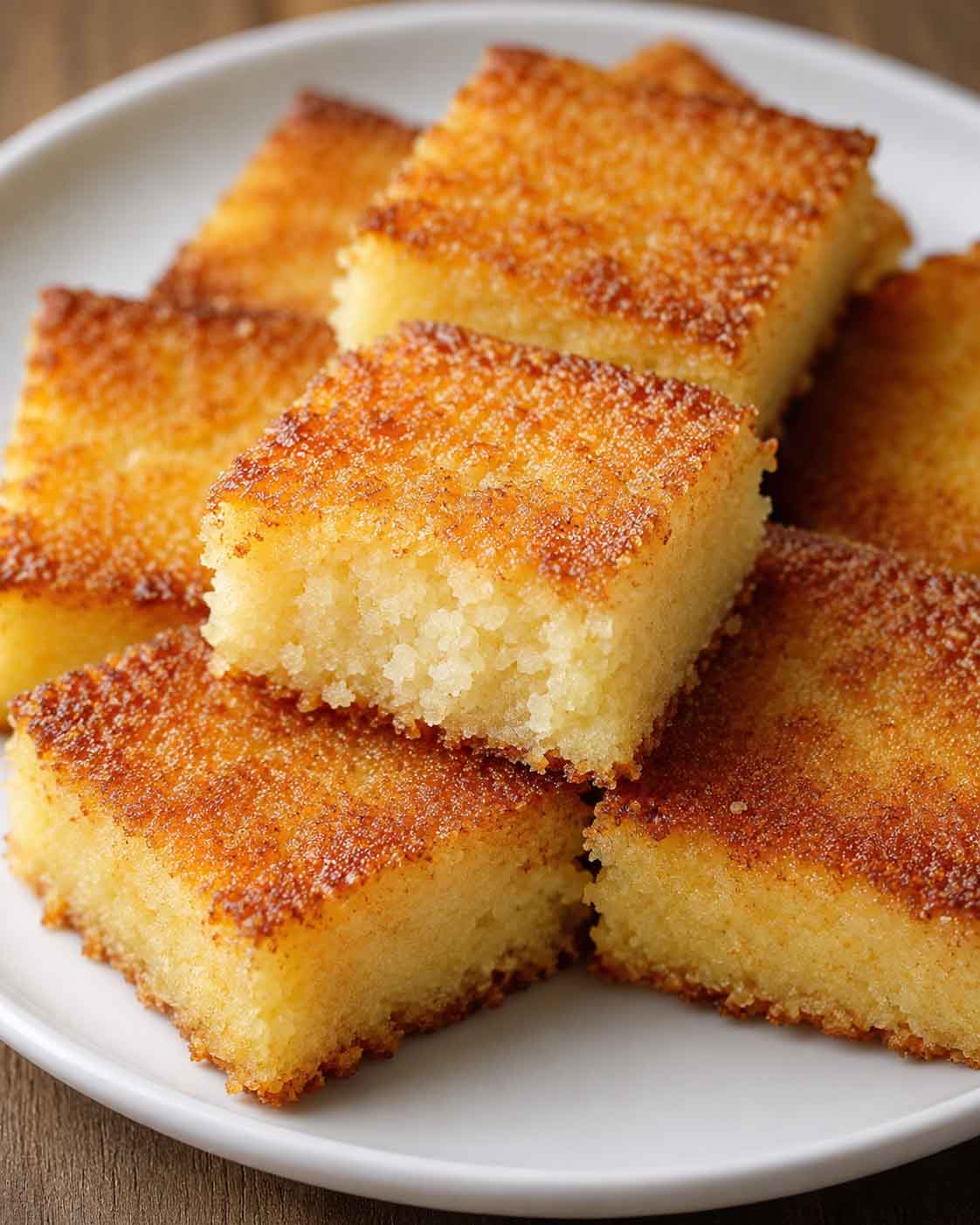
Dust with powdered sugar or top with fresh berries before serving.
Take your time, follow the steps, and you’ll unveil that stunning trio of textures in one golden, lemony square.
Creative Variations to Celebrate Citrus
One of the joys of lemon custard cake is how adaptable it is. Whether you want to highlight different citrus flavors or adjust it for dietary needs, there’s a variation for every occasion.
Meyer Lemon Version
Swap your regular lemons for Meyer lemons, which are sweeter and less acidic. This results in a softer, thinner custard layer with a floral, fragrant twist. Many bakers enjoy baking Meyer lemon custard cakes in ramekins or small custard cups for elegant individual servings, emphasizing the pudding-like texture. This style is popular on sites like fullkitchenrecipes.com and nerdswithknives.com.
Mini Custard Cakes
Portion the batter into muffin tins or small cups to create adorable mini custard cakes. These bake faster and are perfect for parties or single servings. Sites like realitybakes.com and tasteofhome.com showcase how these petite cakes keep the signature layered texture, just on a smaller scale.
Gluten-Free & Paleo Adaptations
By swapping regular flour with almond or coconut flour, you can make this dessert gluten-free or paleo-friendly. The custard may be slightly denser, but the rich egg and lemon flavors still shine. When using almond flour, reduce liquids slightly as it absorbs more moisture.
Layered Lemon Curd Cake
For a more indulgent treat, try a layered cake where the lemon custard cake base is paired with a generous spread of lemon curd and topped with whipped buttercream. This hybrid transforms the magic cake into a multi-textured lemon celebration, popularized by chelsweets.com and lacucinaitaliana.com.
Chilled Pudding Cake
On hot days, serve the cake well chilled or even slightly cold from the fridge, dusted with powdered sugar and fresh berries. This makes the custard layer feel like a refreshing lemon pudding—light, creamy, and perfect for warm-weather desserts.
Serving Suggestions & Pairings
Lemon custard cake is versatile in presentation and pairs beautifully with simple accompaniments:
Serve chilled or at room temperature, with a light dusting of powdered sugar to highlight its golden top.
Add a dollop of whipped cream or a spoonful of lemon curd for extra indulgence.
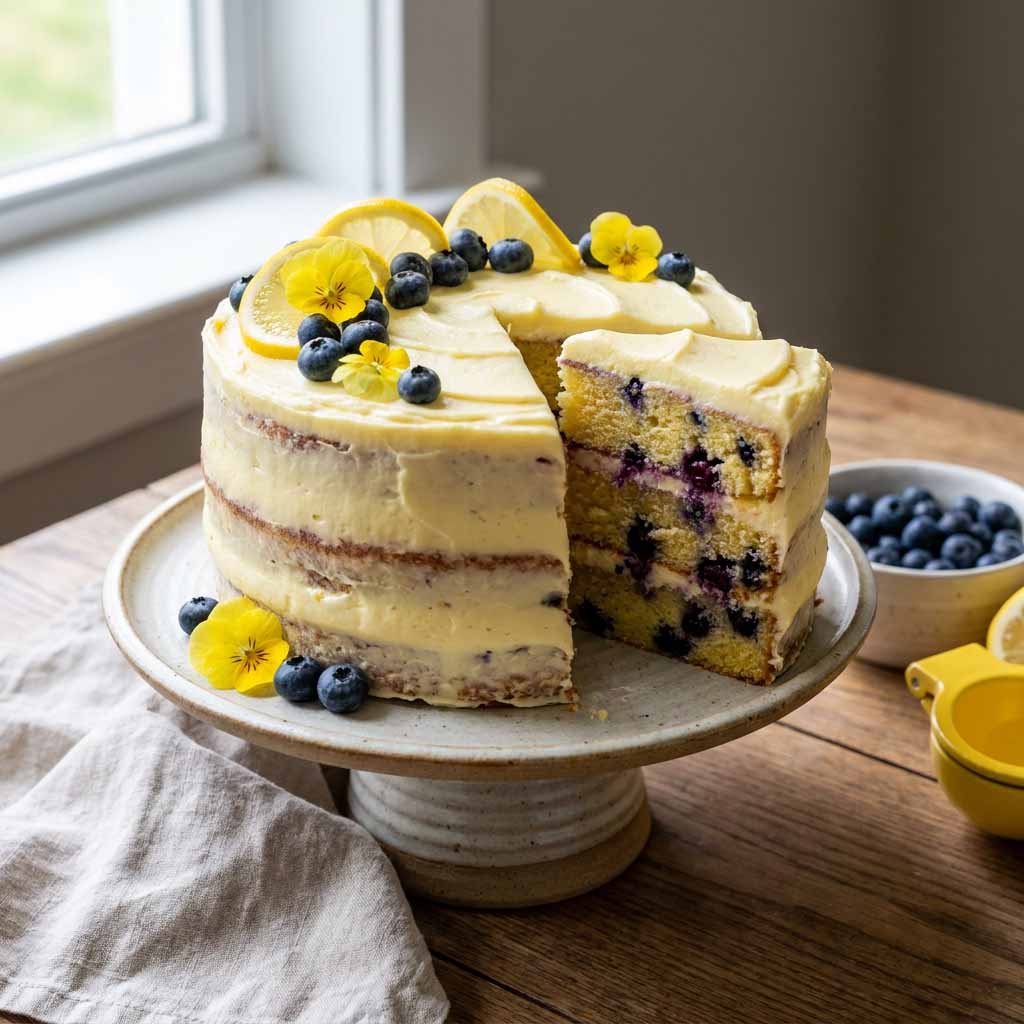
Fresh berries such as raspberries or blueberries add color and a tart contrast.
A spoonful of Greek yogurt can bring a creamy tang that balances the sweetness.
Garnish with fresh mint leaves for a fragrant, refreshing touch.
Drink Pairings:
A warm cup of Earl Grey tea, with its hint of bergamot, complements the citrus flavor perfectly.
For brunch or celebrations, try sparkling lemonade or a light, sweet Moscato d’Asti for a bubbly citrus match.
Storage, Make-Ahead & Reheating Tips
Lemon custard cake is best enjoyed fresh but stores well for a few days:
Refrigerate the cake in its baking pan, covered tightly with plastic wrap or foil, for up to 3 days. This helps the custard set fully and flavors to meld.
You can freeze slices individually wrapped in plastic and foil, but note the custard texture may become slightly watery after thawing. Always thaw slowly in the refrigerator to minimize changes.
To reheat, place slices on a baking sheet and warm in a low oven (about 275°F/135°C) for 10–15 minutes until just warmed through. Alternatively, microwave slices in short bursts, covered with a damp paper towel to retain moisture.
If serving chilled, remove from the fridge about 10 minutes before plating to allow the citrus aromas to bloom.
Nutrition Overview & Lightening Strategies
Each serving of lemon custard cake typically contains about 200–300 calories, depending on portion size and added toppings. Thanks to the high egg content, this dessert provides a decent amount of protein compared to more flour-heavy cakes.
To lighten the cake:
Use low-fat or plant-based milk instead of whole milk.
Reduce sugar by half or substitute with natural sweeteners like erythritol or stevia (adjust carefully).
Replace half the butter with Greek yogurt for added moisture and tang without extra fat.
This way, you keep the cake’s signature texture and tang while making it a bit friendlier for calorie-conscious eaters.
Frequently Asked Questions
Q: Why does the cake separate into three layers?
A: The magic happens because of the differences in density and baking temperature. The thin batter layers naturally separate during baking—egg whites rise to form a light sponge on top, the custard sets in the middle, and the denser cake settles at the bottom.
Q: What if my cake doesn’t separate properly?
A: Most often this is due to overmixing the egg whites, which deflates their air bubbles, or overbaking, which causes the custard to firm up too much. Also, fully submerging the egg whites in the batter can prevent proper separation—fold them gently instead.
Q: How do I keep the top golden but the center creamy?
A: If the top browns too quickly, tent the cake loosely with foil partway through baking. This prevents burning while the center finishes cooking.
Q: Can I make this cake dairy-free?
A: Yes! Use almond, oat, or coconut milk in place of cow’s milk, and try a dairy-free butter substitute. The custard will be less rich but still flavorful.
Q: Should I serve the cake chilled or at room temperature?
A: Both work well! Chilling enhances the custard’s firmness and texture, making slicing easier. Serving at room temperature brings out the lemon aroma and softens the layers for a more tender bite. Try both and see what you prefer!
Lemon Custard Cake

A magical single-batter cake that bakes into three beautiful layers: a moist lemon-infused cake base, a creamy custard middle, and a light, airy sponge top. Bright, refreshing, and surprisingly easy to make, this dessert is perfect for brunch, afternoon tea, or a light after-dinner treat.
- 8×8-inch or 9×9-inch square baking pan
- Mixing bowls
- Electric mixer or hand whisk
- Rubber spatula
- Measuring Cups and Spoons
- Zester or fine grater
- Oven mitts
- Cooling rack
- Optional: parchment paper or non-stick spray
- 4 large eggs, separated
- 1 cup granulated sugar
- ½ cup unsalted butter, melted and cooled
- ¾ cup all-purpose flour
- 1 cup whole milk (room temperature)
- Zest of 2 lemons
- ¼ cup fresh lemon juice (about 2 lemons)
- 1 tsp vanilla extract
- ¼ tsp cream of tartar
- Pinch of salt
- Powdered sugar (for dusting)
- Optional: fresh berries or whipped cream for serving
Preheat your oven to 325°F (160°C). Grease your baking pan and optionally line it with parchment paper.
Separate eggs carefully, placing whites in a large mixing bowl and yolks in another.
Whip egg whites with cream of tartar and a pinch of salt using an electric mixer until stiff, glossy peaks form. Set aside.
In the yolks bowl, beat egg yolks with sugar until pale and creamy.
Gradually add melted butter, vanilla extract, lemon zest, and lemon juice to the yolks mixture, blending well.
Sift flour over the yolk mixture, then gradually whisk in milk until smooth and thin.
Gently fold about one-third of the egg whites into the yolk batter to lighten it, then fold in the remaining whites carefully, keeping as much air as possible. Some small streaks are okay.
Pour batter into prepared pan. Place the pan in the oven and bake for 45–55 minutes. The cake is done when the top is golden and jiggles slightly in the center.
Remove from oven and let cool completely on a wire rack before slicing.
Dust with powdered sugar and serve chilled or at room temperature with optional whipped cream or berries.
Use room-temperature ingredients for best texture and easy mixing.
Be gentle folding the egg whites to maintain the airy sponge layer.
If top browns too quickly, tent with foil halfway through baking.
For dairy-free, substitute milk and butter with plant-based alternatives.
Cake keeps well refrigerated for 2–3 days; bring to room temp before serving for best flavor.
Try adding a teaspoon of finely grated lemon zest to the powdered sugar dusting for extra zing.





Be First to Comment