Baked Lemon Pudding Recipe
Baked Lemon Pudding: A Light, Lemony Surprise in Every Spoonful
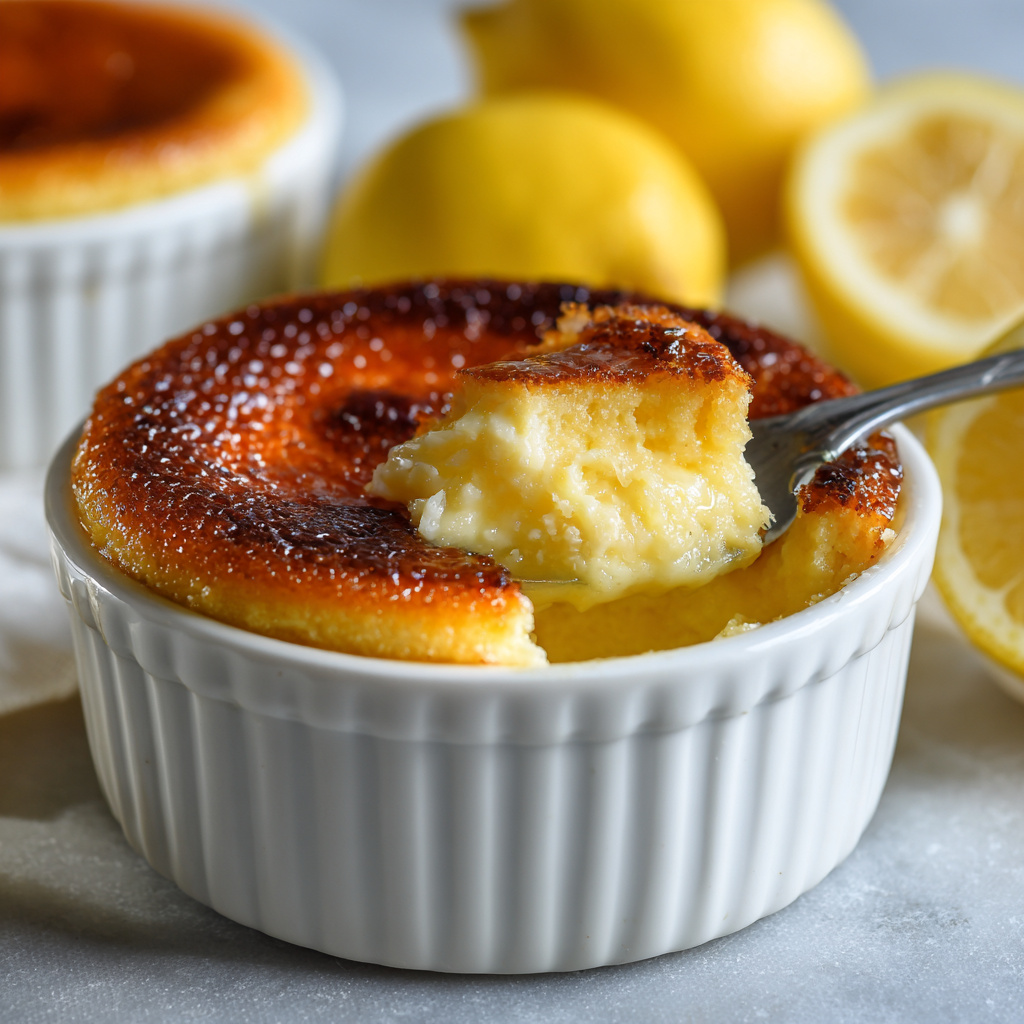
If you’ve never tried baked lemon pudding, get ready for a delicious twist on dessert. With just a few pantry staples, this magical treat transforms into two distinct layers as it bakes: a fluffy, golden sponge on top and a silky, tangy lemon custard underneath. Every bite is a dance of texture and flavor—light, luscious, and beautifully bright.
Whether you serve it warm for a cozy night in or chilled for a refreshing summer treat, this is one dessert that always delights.
What Is Baked Lemon Pudding?
Baked lemon pudding is a classic self-saucing dessert that feels almost like a magic trick in the oven. The batter goes in as one homogenous mixture, but as it bakes, it separates into two dreamy layers: a soft, golden sponge cake on top and a creamy, citrus-kissed lemon sauce on the bottom.
This charming dessert is believed to have roots in traditional British and Irish puddings, such as those from the famed Ballymaloe House in Ireland. It’s closely related to what’s called lemon delicious pudding in Australia and New Zealand—same concept, different name.
The secret to its charm lies in the contrast: light, soufflé-like sponge on top gives way to a warm, velvety lemon curd below. No layering, no sauces—just mix, bake, and let the oven do its thing.
Why It Works: The Science Behind the Layers
There’s a reason baked lemon pudding feels so special—it’s culinary science at its most magical (and most delicious).
Lemon, Sugar, and Brightness
The blend of fresh lemon juice and zest with sugar creates a balance of sweet and tart. The zest adds aromatic oils for depth, while the juice brings that classic zing we crave in citrus desserts.
Whipped Egg Whites = Airy Top Layer
Beating the egg whites until stiff peaks and gently folding them into the batter introduces air. That air lifts the top half of the batter as it bakes, forming the light sponge layer.
Heavier Liquids Sink
Because the batter includes milk and melted butter, these heavier ingredients naturally settle at the bottom during baking. This creates the smooth custard base while the top bakes into cake.
Bain-Marie (Water Bath) = Even Heat
Many recipes recommend baking the pudding in a hot water bath. This keeps the temperature gentle and consistent, helping the custard set without curdling. It also prevents cracking and ensures even cooking throughout.
The result? A dessert that’s light, airy, rich, and saucy—all in one spoonful. No frostings, fillings, or extra work required.
Key Ingredients & Flavor Foundation
Like many great desserts, baked lemon pudding is built from simple, accessible ingredients—but each one plays a crucial role in flavor and structure.
Lemons
You’ll need both the zest and the juice. The zest provides fragrant oils for complexity, while the juice delivers that bright citrus punch. Always use fresh lemons for the best flavor.
Eggs (Separated)
Egg yolks enrich the batter, and egg whites are whipped to stiff peaks and folded in last. This separation creates the signature lift and helps form the two-layer effect.
Sugar
Sugar doesn’t just sweeten—it stabilizes the whipped egg whites and balances the tartness of the lemon. Granulated white sugar works best.
Flour
Just a small amount of all-purpose flour helps thicken the batter enough to hold its shape on top while still allowing separation below.
Milk or Cream
Milk, or a richer option like half-and-half, adds body and silkiness to the custard layer. Whole milk is ideal, but alternatives like plant-based milks can work with slight texture changes.
Butter
Melted butter enriches the base and softens the crumb of the sponge. It also contributes that irresistible buttery flavor that makes each bite feel indulgent.
Optional Extras
-
A dusting of powdered sugar on top makes it look elegant.
-
A spoonful of whipped cream or Greek yogurt can balance the warmth with cool creaminess.
-
Add a few berries or a mint sprig for a restaurant-style finish.
Variations Across Recipes: Find Your Favorite
Every cook has their own take on baked lemon pudding. Here’s a quick tour through the most popular styles and what makes each one shine:
Large-Batch Pan Pudding
This is the classic, family-style version where you bake everything in one dish.
-
Easy to prepare
-
Great for feeding a crowd
-
Casual, cozy presentation
Individual Ramekins
Perfect for elegant dinners or portion control, this version bakes in individual cups for a refined, soufflé-like effect.
-
Great presentation
-
Precise texture
-
Easy to serve at parties or dinners
Saveur / Ballymaloe Style
This heritage version, inspired by Myrtle Allen of Ballymaloe House, has a slightly denser cake layer and a tangy sauce.
-
Richer flavor
-
A touch more rustic
-
Nostalgic appeal for pudding-lovers
Self-Saucing with Elderflower Syrup
For a twist, some bakers drizzle elderflower syrup or extra lemon sauce on top before baking, which sinks into the custard during baking.
-
Elegant floral notes
-
Extra sauciness
-
Great for springtime
Lemon Delicious Pudding
Common in Australia and New Zealand, this regional favorite is virtually identical in method—just under a different name.
-
Citrus-forward
-
Same self-saucing technique
-
Often a little lighter in sugar
Pros & Cons at a Glance
| Style | Pros | Cons |
|---|---|---|
| Large Pan | Easy, no-fuss, family style | Less elegant presentation |
| Ramekins | Showy, perfect portions | Slightly more effort |
| Heritage/Saveur | Rich flavor, nostalgic | Denser sponge, less lift |
| Self-Saucing | Elegant, layered flavor | Requires extra syrup |
| Lemon Delicious | Light, regional flair | Not always as sweet |
This dessert may look simple, but the magic lies in the alchemy of its ingredients and technique. Whether you’re nostalgic for classic English puddings or craving something light and citrusy, baked lemon pudding is your answer.
In Part 2, we’ll dive into step-by-step recipes, pro tips, serving ideas, storage solutions, and FAQs—so you can make your own perfect version at home.
Three Recipe Walkthroughs: Choose Your Favorite Style
a. Pan-Style Baked Lemon Pudding
This classic, family-friendly version is simple, rustic, and perfect for sharing.
Ingredients: eggs (separated), sugar, butter, lemon zest & juice, flour, milk.
Steps:
-
Whip the egg yolks with sugar and lemon zest until pale and fragrant.
-
Stir in the flour, lemon juice, and milk until smooth.
-
Beat the egg whites separately to stiff peaks, then gently fold them into the batter.
-
Pour into a buttered baking dish and bake at 350°F (175°C) for about 40 minutes until the top is golden and the custard layer has set underneath.
Serve warm, dusted with powdered sugar or topped with a dollop of cream.
Why it shines: This version offers a comforting, warm spoonful with that classic Irish pudding feel—light cake and tangy sauce in perfect harmony.
Individual Ramekin Lemon Pudding Cakes
For a refined presentation and perfect portion control, these individual puddings bake in their own cozy pots.
Ingredients: similar to the pan version—eggs, sugar, lemon zest & juice, milk, flour.
Steps:
-
Whisk egg yolks with sugar, zest, juice, and milk.
-
Fold in beaten egg whites gently.
-
Divide the batter into buttered ramekins.
-
Place ramekins in a water bath (a baking dish filled with hot water halfway up the sides).
-
Bake at 350°F (175°C) for 40–45 minutes until the tops are puffed and lightly golden, and the centers are just set but still slightly wobbly.
Serve individually, topped with whipped cream or fresh berries for an elegant touch.
Why it shines: The soufflé-like lift and delicate presentation make these perfect for dinner parties or special occasions.
Saveur/Ballymaloe Version
This version is steeped in heritage and carries a slightly denser, more buttery cake layer over a luscious lemon custard.
Ingredients: butter, sugar, eggs (separated), lemon zest & juice, flour, milk.
Steps:
-
Cream the butter and sugar until it’s sandy and smooth.
-
Add egg yolks, flour, lemon zest, juice, and milk, mixing until combined.
-
Carefully fold in the beaten egg whites.
-
Bake in a buttered shallow dish at 350°F (175°C) for about 40 minutes, until the top is golden and the custard has set.
Serve with softly whipped cream to complement its richness.
Why it shines: This pudding offers a nostalgic, slightly denser texture that pairs beautifully with afternoon tea or a comforting dessert.
Baking Tips & Pro Tricks
-
Use room temperature ingredients to ensure smooth, even mixing and better incorporation.
-
Whip egg whites to stiff peaks, but avoid overwhipping, which can cause dryness or collapse.
-
Fold egg whites gently using a spatula to keep the batter light and airy—this is key for that fluffy sponge.
-
Baking in a water bath (bain-marie) is optional but recommended to prevent cracking and achieve a creamy custard base.
-
Watch your baking time carefully—the top should be lightly golden, and the center should still jiggle slightly when you gently shake the pan. Overbaking leads to dryness.
-
Let the pudding rest for 10-15 minutes before serving; this allows the layers to settle and flavors to deepen.
-
For a flavor boost, try swirling in lemon curd, elderflower syrup, or a hint of vanilla or warm spices like cardamom or ginger before baking.
Serving Ideas & Pairings
-
Serve your baked lemon pudding warm with whipped cream or vanilla ice cream for classic indulgence.
-
For warmer months, chill it and serve with fresh berries and mint—a refreshing twist.
-
Pair with hot tea or rich coffee for a delightful brunch or afternoon treat.
-
Add a drizzle of raspberry coulis, berry compote, or elderflower syrup for an elegant fruity finish.
-
Looking for a lighter option? Skip the cream and top with Greek yogurt and a sprinkle of lemon zest to balance tartness and creaminess naturally.
Storage & Make-Ahead Tips
-
Refrigerate leftovers in their baking dish or ramekins, covered, for up to 2 days.
-
To reheat, gently warm in a 300°F (150°C) oven until heated through, or microwave in short bursts to avoid overcooking.
-
For longer storage, freeze individual portions wrapped tightly for up to 1 month. Thaw overnight in the fridge and reheat before serving.
-
Consider baking the pudding ahead of time for gatherings and adding final touches (powdered sugar, cream) right before serving for fresh presentation.
Troubleshooting Common Issues
-
Too dense or heavy? Likely the egg whites weren’t whipped enough or were overmixed when folded in—be gentle and thorough with aeration.
-
Top collapsed after baking? Often from overbaking or opening the oven door too early; remove promptly once set.
-
Wet or soggy bottom? Could be underbaking or skipping the water bath—bake until custard is set but still silky.
-
Bitterness? Avoid using too much lemon zest—stick to recommended amounts as zest oils are potent.
-
Cracked top? Overbaking or lack of a water bath can cause cracking; a gentle, even bake avoids this issue.
FAQs: People Also Ask
Q: Can I make baked lemon pudding gluten-free?
A: Yes! Substitute all-purpose flour with a gluten-free flour blend, ensuring it includes xanthan gum for structure.
Q: How is this different from a lemon soufflé?
A: Baked lemon pudding contains flour and forms a custard base with a sponge on top, while a soufflé is flourless and fully risen with a light, airy texture throughout.
Q: Can I use bottled lemon juice?
A: Fresh lemon juice is best for brightness and flavor, but bottled juice works in a pinch—just check for no added preservatives or sweeteners.
Q: Is baked lemon pudding the same as lemon delicious pudding?
A: They’re very similar. The main difference is baked lemon pudding usually includes folded-in egg whites for extra lift, while lemon delicious pudding may not.
Q: Should I bake it in a water bath?
A: Baking in a water bath helps regulate temperature, ensuring the custard layer is silky and prevents cracking. It’s highly recommended but not
Baked Lemon Pudding
A classic, self-saucing dessert with a fluffy, soufflé-like lemon cake on top and a tangy, silky lemon custard beneath. Perfect for any occasion, this baked lemon pudding balances bright citrus flavor with light, airy texture. Serve warm with cream or ice cream for an elegant yet comforting treat.
- Mixing bowls
- Electric mixer or whisk
- Spatula
- 8×8 inch (20×20 cm) buttered baking dish or ramekins
- Oven
- Optional: roasting pan for water bath
- 3 large eggs, separated
- ¾ cup (150 g) granulated sugar, divided
- Zest of 2 lemons
- ½ cup (120 ml) freshly squeezed lemon juice (about 2–3 lemons)
- ⅔ cup (85 g) all-purpose flour
- 1 cup (240 ml) whole milk or half-and-half
- 4 tablespoons (55 g) unsalted butter, melted and cooled
- Powdered sugar, for dusting (optional)
- Whipped cream or vanilla ice cream, for serving (optional)
-
Preheat oven to 350°F (175°C). Butter an 8×8 inch baking dish (or butter ramekins if using individual portions).
-
Whisk egg yolks with half the sugar and lemon zest in a bowl until pale and fragrant.
-
Add flour, lemon juice, milk, and melted butter. Whisk until smooth and well combined.
-
In a separate bowl, beat the egg whites until soft peaks form. Gradually add the remaining sugar and continue beating until stiff peaks form.
-
Gently fold the beaten egg whites into the lemon batter in two batches, using a spatula, until no streaks remain. Be careful not to deflate the mixture.
-
Pour the batter into the prepared baking dish. (If using ramekins, divide evenly.)
-
Optional: Place the baking dish or ramekins inside a larger roasting pan. Pour hot water into the roasting pan to come halfway up the sides (water bath). This helps even baking and prevents cracking.
-
Bake for 40 minutes (pan) or 40–45 minutes (ramekins), until the top is golden and the center is set but slightly wobbly.
-
Remove from oven and let cool 10–15 minutes to allow the pudding to set and flavors to meld.
-
Serve warm, dusted with powdered sugar and topped with whipped cream or vanilla ice cream, if desired.
-
Use fresh lemon juice for best flavor and brightness. Bottled lemon juice can be used but may lack freshness.
-
For a richer pudding, substitute half the milk with cream or half-and-half.
-
To avoid cracking, use a water bath to regulate baking temperature.
-
The pudding can be baked in individual ramekins for elegant presentation or one large pan for casual family-style serving.
-
Room temperature eggs help achieve better volume when whipping whites.
-
Store leftovers refrigerated for up to 2 days; gently reheat before serving.
-
Feel free to add lemon curd swirls or elderflower syrup for a flavor twist before baking.