
 Laura Mariano
Why Gordon Ramsay’s Spaghetti Bolognese is a Classic Worth Mastering
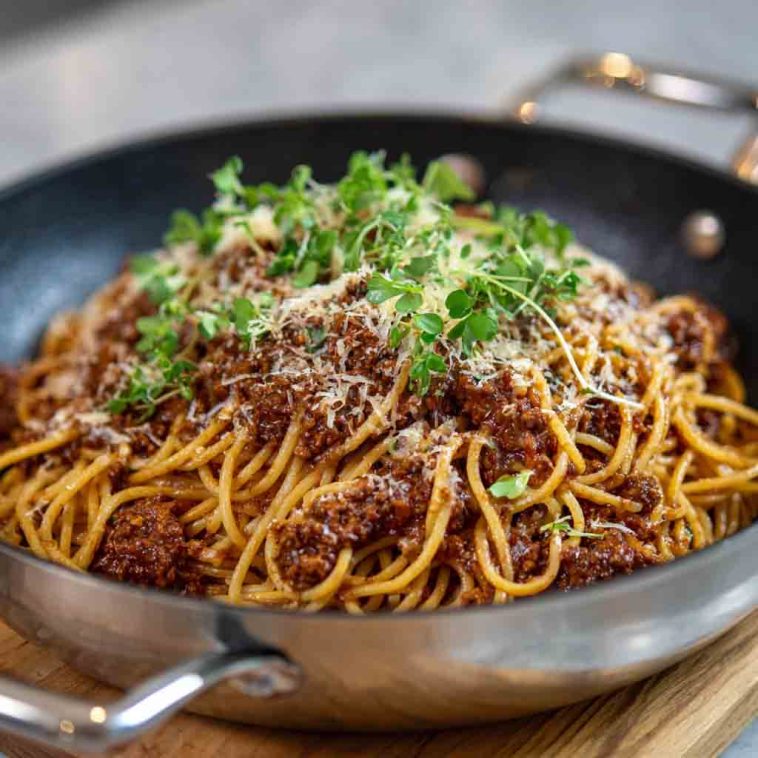
Gordon Ramsay’s Spaghetti Bolognese isn’t just another pasta dish — it’s a rich, deeply flavorful recipe that brings the heart of Italian cooking right to your kitchen. What truly sets Ramsay’s version apart is his masterful balance of authentic technique and approachable steps that home cooks can easily follow. The slow-simmered sauce develops layers of savory goodness, thanks to carefully selected ingredients and slow cooking, while the addition of milk or cream adds a velvety touch that transforms a simple meat sauce into a comforting classic.
In this article, you’ll discover the origins of Bolognese, break down Ramsay’s key ingredients, learn essential equipment tips, and follow a foolproof cooking technique to make a restaurant-quality Bolognese at home. Plus, we’ll explore serving ideas, creative twists, and answer your top FAQs to make sure this dish becomes a staple in your repertoire.
Origins & History of Bolognese Sauce
Bolognese sauce, or Ragù alla Bolognese, originates from Bologna, a city in Italy’s Emilia-Romagna region. Traditionally, it’s a slow-cooked meat sauce made with a soffritto base of finely chopped onions, carrots, and celery, simmered gently with ground beef or a mix of beef and pork, wine, and a touch of tomato. Unlike simpler Italian tomato sauces, Bolognese focuses heavily on meat and richness, making it a hearty, satisfying staple.
Gordon Ramsay’s take honors these roots but also introduces modern touches that streamline the process without sacrificing depth. His recipe often highlights the importance of slow cooking and layering flavors — browning the meat well, using quality wine to deglaze, and finishing with milk or cream for silkiness. This balance of tradition and technique is what makes his version approachable yet authentic.
It’s important to note that Bolognese differs from other Italian meat sauces like marinara or ragù alla napoletana, which tend to be lighter and more tomato-forward. Bolognese emphasizes a thick, slow-simmered texture with a rich umami meatiness that coats every strand of pasta.
Key Ingredients Breakdown: What Makes Gordon Ramsay’s Bolognese Special
The magic of Ramsay’s Bolognese lies in its thoughtful ingredient choices, each playing a crucial role in developing the sauce’s complex flavor.
Meat: Ground beef is the backbone, often blended with pork for extra juiciness and flavor. Choosing quality, fresh meat ensures tenderness and richness. Ramsay stresses browning the meat well to create those deep caramelized flavors — the Maillard reaction is key here.
Vegetables: The soffritto — a finely diced mix of onions, carrots, and celery — forms the aromatic base. Slowly cooking these until soft and fragrant releases natural sweetness that balances the acidity of tomatoes.
Liquids: Ramsay uses a combination of stock and wine to build flavor layers. Typically, a dry white or red wine deglazes the pan, lifting those browned bits off the bottom. For tomatoes, canned San Marzano or fresh plum tomatoes work best, providing natural sweetness and acidity.
Seasonings and Herbs: Simple but effective — bay leaf, thyme, and a pinch of salt and pepper. Ramsay keeps herbs fresh and minimal to allow the meat and tomato flavors to shine.
Dairy Addition: One of Ramsay’s signature techniques is adding milk or cream toward the end of cooking. This addition softens the acidity of the tomatoes and enriches the sauce with a silky finish, making the dish feel indulgent without heaviness.
Pasta Choice: While traditional Bolognese often pairs with tagliatelle or pappardelle, Ramsay’s popular spaghetti Bolognese brings this rustic sauce to a widely loved pasta shape. Cooking the spaghetti al dente is essential for texture contrast and optimal sauce clinging.
Essential Equipment & Prep Tips
For the best results, a heavy-bottomed pan or Dutch oven is ideal to evenly distribute heat for slow simmering without scorching the sauce. A sharp chef’s knife or food processor helps finely dice the soffritto veggies for even cooking. Use a wooden spoon for gentle stirring and a ladle for tasting as you go.
Prep tip: Measure and prep all ingredients before starting—mise en place is key to a smooth cooking process. Avoid rushing through chopping; finely diced vegetables cook more evenly and blend seamlessly into the sauce.
Pro tip: Browning the meat in batches prevents steaming and encourages caramelization, which builds deeper flavor.
Step-by-Step Cooking Technique
Mastering Ramsay’s Spaghetti Bolognese comes down to careful layering of flavors and patience.
Browning the Meat: Start by heating oil in your pan and browning the ground beef (and pork if using) in batches. Spread the meat out so it sears rather than steams. This step develops those rich, nutty browned bits that flavor the whole sauce.
Cooking the Soffritto: In the same pan, gently sweat the diced onions, carrots, and celery over medium-low heat until softened and fragrant—about 8 to 10 minutes. This slow cooking draws out the natural sugars, giving the sauce sweetness and depth.
Deglazing with Wine: Pour in the wine once the soffritto is translucent, scraping up any browned bits stuck to the pan. Let the alcohol cook off until the wine is reduced by half, concentrating its flavor.
Adding Tomatoes and Simmering: Add your tomatoes (crushed or chopped), bay leaf, thyme, and some stock. Bring to a gentle simmer. This is the time for patience—let the sauce cook low and slow for at least 1.5 to 2 hours. The long simmer breaks down the tomatoes and melds flavors.
Incorporating Milk or Cream: Toward the final 20 minutes, stir in milk or cream. This step rounds out the acidity and gives the sauce a luscious, velvety texture.
Seasoning & Thickness: Taste frequently near the end to adjust salt, pepper, or herbs. If the sauce is too watery, increase heat slightly to reduce it to a thicker consistency that clings perfectly to your pasta.
Cooking Spaghetti: Boil pasta in salted water until al dente. Drain and toss immediately with the sauce to coat each strand.
Plating & Serving Tips for Restaurant-Quality Presentation
Once your Bolognese sauce and spaghetti are perfectly cooked, plating like a pro is the final step to elevate this dish. Toss the pasta gently with the sauce in the pan or a large bowl to ensure every strand is evenly coated with that rich, savory Bolognese — this helps the flavors marry beautifully.
For garnish, sprinkle freshly grated Parmesan cheese generously on top, and add a scattering of chopped fresh basil or flat-leaf parsley to brighten the dish with a pop of color and herbaceous aroma. For a little heat, chili flakes make a lovely optional kick.
Pair your meal with garlic bread or a crisp, simple green salad dressed with lemon vinaigrette to balance the richness. For an authentic dining experience, a glass of medium-bodied red wine like Chianti or Sangiovese complements the meatiness and acidity perfectly.
Creative Variations & Flavor Twists
Want to make Gordon Ramsay’s Bolognese your own? Here are some tasty twists and variations to try:
Smoky Depth: Add diced pancetta or bacon during the soffritto stage. The rendered fat infuses the sauce with a subtle smoky richness that adds complexity.
Different Meats: Swap the traditional beef (or beef-pork mix) with ground veal, pork, or even turkey for a leaner option. Each brings a different texture and flavor dimension.
Vegetarian Bolognese: Replace meat with lentils or finely chopped mushrooms to replicate that meaty umami punch. Use vegetable stock instead of beef and consider adding a splash of soy sauce or tamari for extra depth.
Spice Boosts: If you like a bit of heat, stir in chili flakes or smoked paprika during the simmering stage for a subtle warmth that doesn’t overpower.
Slow Cooker or Instant Pot Adaptations: For busy days, cook the sauce low and slow in a slow cooker for up to 6 hours or pressure cook in an Instant Pot to speed up the process without losing flavor.
Gluten-Free Options: Serve your Bolognese over gluten-free pasta or spiralized vegetables like zucchini noodles for a lighter, grain-free meal.
Storage, Reheating & Meal Prep Tips
Leftover Bolognese sauce keeps beautifully and makes for an excellent make-ahead meal. Store sauce and pasta separately in airtight containers in the fridge for up to 3-4 days to maintain freshness and prevent sogginess.
When reheating, warm the sauce gently on the stovetop over low heat, adding a splash of stock or water to loosen if needed. Reheat pasta by briefly dunking it in boiling water or microwaving with a damp paper towel to avoid drying out.
For longer storage, freeze the sauce in portions for up to 3 months. Thaw overnight in the fridge and reheat slowly for best texture and flavor.
Batch cooking Bolognese sauce is perfect for meal prep — simply double the recipe, portion out meals, and enjoy quick dinners throughout the week.
Nutrition Overview & Health Tips
A typical serving of Gordon Ramsay’s Spaghetti Bolognese offers a satisfying balance of protein, carbohydrates, and fats — approximately 450-550 calories per serving depending on portion size and ingredients.
To lighten the dish without losing its signature flavor, use lean ground meat or substitute with turkey, increase the vegetable ratio by adding grated carrots or mushrooms, and swap pasta for whole wheat or legume-based varieties. Incorporating extra veggies boosts fiber and nutrients, making this classic a well-rounded meal that’s both comforting and nutritious.
Frequently Asked Questions
Can I use ground turkey or chicken instead of beef?
Absolutely! Ground turkey or chicken are great leaner alternatives. Just remember they have less fat, so consider adding a little olive oil during cooking to keep the sauce moist and flavorful.
Is spaghetti traditional for Bolognese?
Actually, no. Traditional Bolognese from Bologna is typically served with wider pasta like tagliatelle or pappardelle, which better hold the thick sauce. However, spaghetti remains the popular choice worldwide due to its accessibility.
How long should I simmer the sauce?
Low and slow is key — at least 1.5 to 2 hours to fully develop flavors and tenderize the meat. Some cooks go up to 3 hours for an even richer sauce.
Can I make this sauce ahead of time?
Yes! In fact, the sauce tastes even better the next day as flavors meld. Prepare it a day or two in advance and reheat gently.
What’s the best way to reheat leftovers?
Warm the sauce slowly on the stovetop with a splash of stock or water to loosen. Reheat pasta separately to avoid overcooking and mix before serving.
How do I thicken a watery Bolognese sauce?
Simmer uncovered on medium heat to reduce excess liquid, stirring frequently. You can also stir in a small spoonful of tomato paste to boost thickness and flavor.
Gordon Ramsay Spaghetti Bolognese
Equipment
- Large heavy-bottomed pan or Dutch oven
- Chef’s knife
- Cutting board
- Wooden spoon
- Measuring Cups and Spoons
- Saucepan (for cooking pasta)
- Colander
Ingredients
- 2 tbsp olive oil
- 1 medium onion, finely diced
- 1 carrot, finely diced
- 1 celery stalk, finely diced
- 500g (1 lb) ground beef (or mix beef and pork)
- 125ml (½ cup) dry white or red wine
- 400g (14 oz) canned crushed San Marzano tomatoes or fresh plum tomatoes, chopped
- 150ml (⅔ cup) beef or chicken stock
- 125ml (½ cup) whole milk or cream
- 2 bay leaves
- 1 tsp fresh thyme leaves or ½ tsp dried
- Salt and freshly ground black pepper, to taste
- 350g (12 oz) spaghetti
- Freshly grated Parmesan cheese, for serving
- Fresh basil or parsley, chopped (optional garnish)
Instructions
- Heat olive oil in a heavy-bottomed pan over medium heat. Add finely diced onion, carrot, and celery (soffritto) and cook slowly for 8–10 minutes until softened and translucent.
- Increase heat to medium-high. Add ground beef (and pork if using) in batches, spreading it out to brown well without steaming. Stir occasionally until meat is fully browned and caramelized.
- Pour in wine to deglaze the pan, scraping up browned bits. Simmer until wine reduces by half.
- Add crushed tomatoes, stock, bay leaves, thyme, salt, and pepper. Stir well.
- Reduce heat to low and simmer gently, uncovered, for 1.5–2 hours, stirring occasionally. Sauce should thicken and flavors meld.
- In the last 20 minutes, stir in milk or cream to soften acidity and enrich the sauce.
- Meanwhile, cook spaghetti in a large pot of salted boiling water until al dente. Drain well.
- Remove bay leaves from sauce. Toss spaghetti with sauce to coat evenly.
- Serve topped with freshly grated Parmesan and garnish with basil or parsley if desired.
Notes
- For best flavor, use quality San Marzano tomatoes or ripe plum tomatoes.
- Browning meat in batches ensures deep caramelization and richer taste.
- Adding milk or cream balances tomato acidity and creates a silky texture.
- This sauce improves with resting — make ahead for even better taste.
- Store leftovers separately (pasta and sauce) for optimal reheating.
- Substitute spaghetti with tagliatelle or pappardelle for a traditional touch.
- Freeze sauce in portions for up to 3 months; thaw overnight before reheating gently.