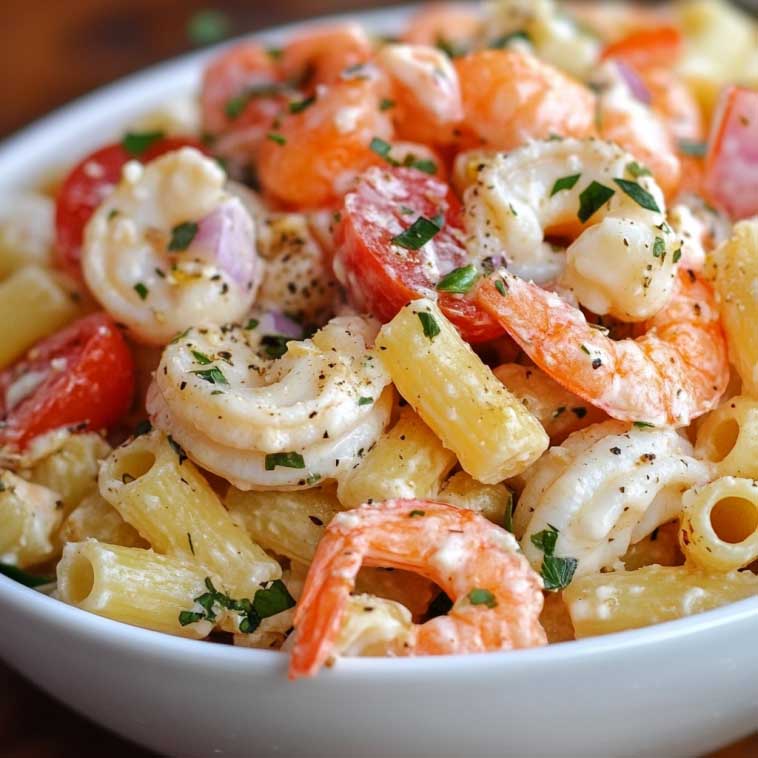
Why Seafood Pasta Salad Is a Summer Favorite
Seafood pasta salad perfectly captures the essence of summer—light, refreshing, and packed with satisfying textures that keep you coming back for more. Whether you’re planning a picnic, a potluck, or a simple weeknight dinner, this dish strikes the ideal balance between hearty and healthy. The combination of tender pasta, succulent seafood, crisp vegetables, and flavorful dressing makes it a versatile crowd-pleaser that can be adapted to suit a range of tastes and dietary preferences. With fresh ingredients and a few simple techniques, you can master this classic summer salad and impress your guests with its bright, vibrant flavors. Best of all, it’s easy to prepare ahead, making it a stress-free addition to any meal plan or gathering.
Origins and Popularity of Seafood Pasta Salad
Seafood pasta salad draws inspiration from the Mediterranean and coastal cuisines, where fresh seafood and pasta are staples of daily life. Mediterranean dishes often feature simple, fresh ingredients like olive oil, lemon, and herbs, combined with seafood caught straight from the sea. The idea of mixing cooked pasta with seafood and vibrant vegetables evolved naturally from these culinary traditions, blending heartiness with freshness. Over time, the salad adapted in American and European kitchens to become a popular summertime dish, thanks to its ease of preparation and suitability for warm weather.
In the U.S., seafood pasta salad has found a home on summer menus across beach towns, backyard barbecues, and casual gatherings. It’s celebrated for being protein-packed and nutrient-rich, offering a lighter alternative to heavier pasta dishes without sacrificing flavor or satisfaction. The salad is highly customizable—allowing cooks to incorporate local seafood varieties and preferred dressings, keeping it fresh and exciting for every season.
Essential Ingredients Breakdown
Pasta
Choosing the right pasta shape is key to an ideal salad. Fusilli, rotini, and penne are excellent because their ridges and tubes hold onto dressing and bits of seafood and veggies, ensuring every bite bursts with flavor. Opt for quality semolina pasta for the best texture and firmness.
Seafood
Seafood options vary widely. Cooked shrimp are a popular choice for their sweet flavor and firm texture, while crab meat, scallops, lobster, or canned tuna provide delightful alternatives. Freshness is paramount; seafood should be properly cooked or bought pre-cooked and chilled. For shrimp or scallops, quick boiling or grilling brings out natural flavors without toughness.
Vegetables & Herbs
Crunchy, colorful vegetables add brightness and contrast. Bell peppers, cherry tomatoes, red onion, and celery are great choices, while fresh herbs like parsley and dill provide a fragrant, fresh note. Uniform chopping ensures consistent texture and a pleasant eating experience.
Dressings
Dressings can range from creamy mayonnaise-based to tangy vinaigrettes or lighter yogurt blends. The choice depends on preference but balancing acidity, fat, and seasoning is essential. Lemon juice, garlic, capers, olives, and Dijon mustard are fantastic flavor boosters to elevate the dressing.
Flavor Enhancers & Extras
Adding crumbled feta or grated Parmesan cheese introduces salty, savory depth. Nuts like toasted pine nuts or sliced almonds add crunch. Spices such as paprika or chili flakes can introduce subtle warmth or heat, perfect for a flavor twist.
Tools & Preparation Tips for Success
For making seafood pasta salad, equip yourself with large mixing bowls to combine ingredients gently, a colander to drain pasta, sharp knives for precise chopping, and a whisk for emulsifying dressings. Cooking pasta to al dente is crucial—firm to the bite but fully cooked—then shocking it in ice water stops cooking immediately and cools it down for the salad. Handle seafood carefully; avoid overcooking to keep it tender and juicy. Prepare the salad a few hours ahead so flavors meld, but keep crunchy vegetables separate if prepping a day before to maintain their crispness.
Step-by-Step Assembly and Serving Instructions
Step 1: Cook and Cool the Pasta
Bring a large pot of salted water to a boil. Add your pasta (fusilli, rotini, or penne) and cook until al dente according to package instructions. Drain and immediately rinse under cold water or transfer to an ice bath to cool and halt cooking. Drain well and set aside.
Step 2: Prepare and Cook the Seafood
If using raw seafood like shrimp or scallops, cook briefly by boiling in salted water or grilling over medium heat until opaque and just cooked through. If using pre-cooked seafood or canned options, ensure they are well-drained and gently flaked or chopped.
Step 3: Chop Vegetables and Herbs
Wash and dice bell peppers, halve cherry tomatoes, finely slice red onions and celery. Chop parsley and dill finely. Keep pieces relatively uniform in size for even flavor distribution and texture.
Step 4: Make the Dressing
In a bowl, whisk together your choice of dressing ingredients: mayonnaise or yogurt base, fresh lemon juice, minced garlic, capers, chopped olives, Dijon mustard, salt, and pepper. Taste and adjust the balance of acidity, saltiness, and creaminess.
Step 5: Combine Gently
In a large mixing bowl, combine the cooled pasta, seafood, chopped vegetables, and herbs. Drizzle with dressing and toss gently to coat everything evenly without breaking seafood or mashing pasta. If desired, fold in cheese and nuts last.
Step 6: Chill and Serve
Cover the salad and refrigerate for at least one hour before serving. This resting time allows the flavors to meld beautifully. Serve chilled on its own, atop fresh greens, or alongside crusty bread for a full meal. Garnish with extra herbs or lemon wedges if desired.
Delicious Variations of Seafood Pasta Salad
Seafood pasta salad is wonderfully versatile, allowing you to tailor it to your flavor preferences or dietary needs. Here are some delicious variations to try:
Mediterranean Style:
Incorporate briny Kalamata olives, crumbled feta cheese, and a generous sprinkle of oregano. Use a lemon-olive oil vinaigrette to highlight those classic Mediterranean flavors. This variation is fresh, vibrant, and perfect for fans of Greek-inspired dishes.
Creamy Avocado and Cilantro Twist:
Add diced ripe avocado and chopped fresh cilantro to the mix, and swap your dressing for a creamy blend of Greek yogurt, lime juice, and a touch of garlic. This version adds richness and a tropical flair that complements seafood beautifully.
Asian-Inspired:
Bring an exciting twist with toasted sesame oil, soy sauce, freshly grated ginger, and a dash of rice vinegar. Toss in chopped scallions, shredded carrots, and a sprinkle of toasted sesame seeds for crunch and depth. This creates a flavorful, slightly tangy salad with umami notes.
Light Lemon-Garlic Vinaigrette:
For a simple, bright salad, keep the dressing light with freshly squeezed lemon juice, minced garlic, olive oil, salt, and pepper. This enhances the seafood’s natural sweetness and is especially refreshing on hot days.
Gluten-Free or Low-Carb:
Use spiralized zucchini or other veggies as a pasta substitute or opt for gluten-free pasta to accommodate dietary restrictions. These options maintain texture and flavor while keeping the dish lighter or suitable for gluten-sensitive eaters.
Storing, Meal Prep & Leftover Tips
To keep your seafood pasta salad fresh and safe, store leftovers in airtight containers in the refrigerator. Use glass or BPA-free plastic containers with tight lids to preserve flavor and prevent odors from transferring. Ideally, consume leftovers within 2-3 days for optimal freshness and food safety.
If you plan to meal prep or save salad for later, consider keeping the dressing separate until just before serving. This prevents the pasta and vegetables from becoming soggy. For salads mixed in advance, choose sturdier pasta shapes and heartier veggies that hold up well to dressing.
When reheating seafood pasta salad, it’s best served cold or at room temperature, as warming can toughen the seafood and alter the texture. If the salad feels dry after refrigeration, add a splash of fresh lemon juice or a small amount of dressing to refresh the flavors.
Nutritional Benefits & Health Tips
Seafood pasta salad is a nutrient-rich option packed with lean protein and omega-3 fatty acids, which are excellent for heart health and brain function. Seafood such as shrimp, crab, and scallops provide a low-calorie, high-protein foundation that keeps you full without weighing you down.
Vegetables and fresh herbs contribute fiber, vitamins, and antioxidants that promote digestion and overall wellness. To make the salad lighter and healthier, opt for yogurt-based dressings instead of heavy mayonnaise, or reduce the amount of dressing used. Choosing whole-grain or legume-based pasta can add extra fiber and nutrients.
For a lower-calorie version, focus on plenty of vegetables, lean seafood, and a bright vinaigrette dressing. Avoid excess salt and processed ingredients to keep the salad fresh and wholesome.
Troubleshooting Common Issues
Pasta turning mushy: Overcooking or leaving pasta in hot water too long causes sogginess. Cook pasta al dente and immediately cool it in ice water to stop cooking.
Seafood rubbery or overcooked: Cook seafood just until opaque. Avoid reheating as it toughens the texture.
Salad tasting bland: Check the balance of acidity, salt, and seasoning. Fresh herbs and a squeeze of lemon juice can brighten flavors.
Watery or separated dressing: Whisk dressings thoroughly, and add emulsifiers like Dijon mustard or honey. Store dressings separately if possible.
Frequently Asked Questions (FAQs)
Can I use frozen seafood for pasta salad?
Yes, but thaw it completely and pat dry before use to avoid excess moisture. Cook frozen seafood carefully to avoid toughness.
How long does seafood pasta salad last in the fridge?
Best enjoyed within 2-3 days. After that, quality and safety decline.
Can I make seafood pasta salad ahead of time?
Absolutely! Prepare ingredients separately and combine a few hours before serving. Keep dressing separate if storing overnight.
What pasta works best for this salad?
Fusilli, rotini, and penne hold dressing well and complement seafood texture.
How do I keep pasta from sticking together in a salad?
Rinse pasta under cold water after cooking and toss with a little olive oil before mixing with other ingredients.
Can this be made dairy-free or vegan-friendly?
Yes! Use dairy-free dressings and substitute seafood with plant-based proteins like marinated tofu or chickpeas.
Seafood Pasta Salad
A refreshing and protein-packed seafood pasta salad featuring tender seafood, al dente pasta, fresh vegetables, and vibrant dressings. Perfect for summer picnics, potlucks, or light dinners. Versatile enough for Mediterranean, Asian, creamy, or light vinaigrette variations.
- Large pot for boiling pasta
- Colander
- Large mixing bowl
- Sharp knife
- Cutting board
- Whisk or fork
- Measuring spoons and cups
- Refrigerator-safe storage container
- 8 oz fusilli or rotini pasta
- 1 lb cooked seafood (shrimp, crab meat, scallops, or canned tuna)
- 1 cup cherry tomatoes, halved
- 1/2 cup diced bell peppers (any color)
- 1/4 cup finely chopped red onion
- 1/2 cup celery, diced
- 1/4 cup chopped fresh parsley or dill
- 1/4 cup black olives, sliced (optional)
- 1/2 cup feta or Parmesan cheese (optional)
For the dressing (choose one):
- Creamy dressing: 1/2 cup mayonnaise or Greek yogurt, 1 tbsp lemon juice, 1 tsp Dijon mustard, salt and pepper to taste
- Vinaigrette: 1/4 cup olive oil, 2 tbsp lemon juice or white wine vinegar, 1 tsp honey, 1 clove garlic minced, salt and pepper
Cook pasta in salted boiling water until al dente (about 8-10 minutes). Drain and rinse under cold water to stop cooking; drain well. Toss with a small drizzle of olive oil to prevent sticking.
Prepare seafood by cooking fresh varieties until opaque and tender. If using canned seafood, drain thoroughly.
Chop vegetables and herbs evenly for balanced bites.
Whisk together dressing ingredients in a bowl until well combined. Adjust seasoning to taste.
In a large mixing bowl, gently combine pasta, seafood, vegetables, herbs, olives, and cheese if using.
Pour dressing over salad and toss gently to coat evenly without breaking seafood or mashing pasta.
Refrigerate for at least 1 hour before serving to allow flavors to meld.
Serve chilled, optionally garnished with extra fresh herbs or lemon wedges.
For gluten-free options, substitute pasta with gluten-free varieties or spiralized vegetables.
Store leftovers in airtight containers in the fridge for up to 3 days. Add fresh dressing if needed before serving again.
Avoid overcooking seafood to maintain tender texture.
To keep pasta salad fresh for picnics, keep dressing separate and toss just before serving.
Customize with your favorite fresh herbs, veggies, or nuts for added crunch.


Be First to Comment