

 Laura Mariano
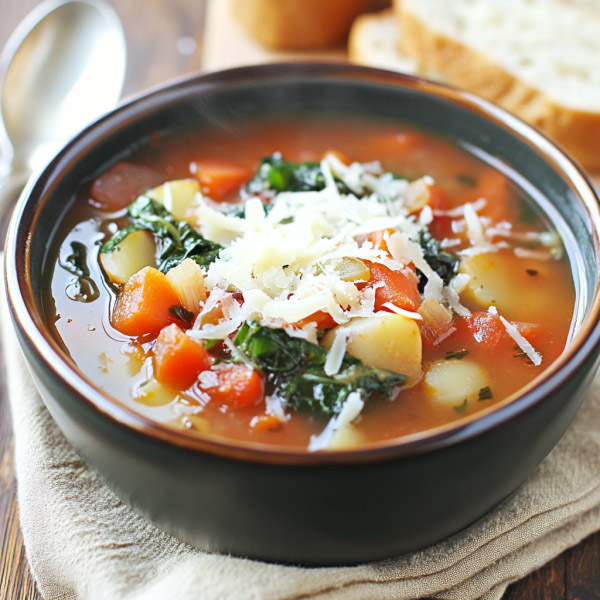
Rustic Comfort in a Bowl
Tuscan cuisine is celebrated for its emphasis on simplicity, fresh ingredients, and rustic charm. At its heart lies the philosophy that wholesome meals don’t need to be complicated—they simply need to highlight the natural flavors of seasonal produce and pantry staples.
Few dishes embody this spirit better than Tuscan Vegetable Soup. With its medley of beans, vegetables, herbs, and broth, it’s a dish that feels like a warm embrace on a chilly evening. Imagine gathering around the table on a cozy winter night, or serving a steaming pot at a family gathering—this soup brings people together with its nourishing qualities and comforting aroma.
Beyond its emotional appeal, Tuscan Vegetable Soup is versatile. It can be adapted to whatever vegetables are in season, making it a healthy weeknight meal that’s both practical and satisfying. Whether paired with crusty bread or enjoyed on its own, it’s a timeless recipe that nourishes body and soul.
What Is Tuscan Vegetable Soup?
Tuscan Vegetable Soup is a hearty Italian dish made with beans, vegetables, herbs, and broth. Unlike lighter soups, it’s designed to be filling and nutritious, offering a balance of protein, fiber, and flavor in every spoonful.
At its core, the soup features cannellini beans, carrots, celery, onions, tomatoes, and leafy greens like kale or spinach. These ingredients simmer together in a flavorful broth, often enhanced with garlic, rosemary, and thyme. The result is a rustic, earthy flavor profile that reflects the Tuscan tradition of “cucina povera”—simple cooking with humble ingredients.
This soup is considered a staple of Tuscan cooking because it embodies the region’s values: resourcefulness, seasonality, and nourishment. It’s not just food; it’s a way of life, emphasizing balance and wholesomeness.
The beauty of Tuscan Vegetable Soup lies in its perfect balance: the sweetness of carrots, the tang of tomatoes, the creaminess of beans, and the freshness of greens all meld together into a dish that’s both comforting and nutritious.
The History of Tuscan Soups
Tuscan soups trace their origins to “cucina povera,” or peasant cooking, a tradition rooted in making the most of simple, affordable ingredients. Families relied on seasonal vegetables, beans, and bread to create meals that were hearty and sustaining.
Classic Tuscan soups like ribollita and minestrone emerged from this tradition. Ribollita, for example, was made by reheating leftover vegetable soup with stale bread, creating a filling dish that wasted nothing. Minestrone showcased whatever vegetables were available, reflecting the rhythm of the seasons.
Over time, Tuscan soups evolved to include modern touches. Pasta, kale, spinach, and even bone broth have been incorporated into recipes, adding variety while maintaining the rustic essence. Today, Tuscan Vegetable Soup is celebrated worldwide as a symbol of comfort, health, and tradition.
Choosing the Right Vegetables
The vegetables you choose define the flavor and texture of Tuscan Vegetable Soup.
Classic ingredients:
- Carrots: Sweetness and color.
- Celery: Earthy depth.
- Onions: Aromatic base.
- Zucchini: Light freshness.
- Tomatoes: Tangy richness.
Seasonal variations:
- Kale or spinach: Adds nutrients and hearty texture.
- Fennel: Subtle licorice flavor.
- Green beans: Crunch and freshness.
Tip: Chop vegetables evenly to ensure consistent cooking. This helps each bite deliver balanced flavor and texture.
The Role of Beans & Broth
Beans are the soul of Tuscan Vegetable Soup. Cannellini beans are traditional, offering creaminess and mild flavor. Alternatives like kidney beans or chickpeas can be used for variety.
Broth provides the foundation. Options include:
- Vegetable broth: Light and vegetarian-friendly.
- Chicken broth: Adds savory depth.
- Bone broth: Rich in nutrients and flavor.
Expert Tip: Mash a portion of the beans before adding them to the soup. This thickens the broth naturally, creating a creamier texture without cream.
Together, beans and broth transform simple vegetables into a hearty, nourishing dish.
Step-by-Step Guide: Making Tuscan Vegetable Soup
- Sauté aromatics: Heat olive oil in a large pot. Add diced onion, garlic, celery, and carrots. Cook until softened and fragrant.
- Add tomatoes & herbs: Stir in chopped tomatoes, rosemary, thyme, and a pinch of salt. Cook for 5 minutes to release flavors.
- Pour in broth: Add vegetable or chicken broth. Bring to a gentle boil.
- Add beans: Stir in cannellini beans. Mash a portion for creaminess.
- Add greens: Toss in kale or spinach. Simmer until wilted.
- Simmer: Reduce heat and cook for 20–30 minutes, allowing flavors to meld.
- Rest: Let soup sit for 10 minutes before serving for deeper flavor.
- Serve: Ladle into bowls. Garnish with grated Parmesan and serve with crusty bread.
Tip: Resting the soup before serving enhances flavor and texture, making it even more satisfying.
Tuscan Vegetable Soup Recipe – Healthy Italian Comfort Food
Equipment
- Large soup pot or Dutch oven
- Cutting board & knife
- Wooden spoon
- Ladle
- Measuring cups & spoons
Ingredients
- 2 tbsp olive oil
- 1 medium onion, diced
- 2 carrots, diced
- 2 celery stalks, diced
- 3 garlic cloves, minced
- 1 zucchini, chopped
- 1 can (14 oz) diced tomatoes
- 6 cups vegetable or chicken broth
- 2 cans (15 oz) cannellini beans, drained and rinsed
- 2 cups chopped kale or spinach
- 1 tsp dried rosemary
- 1 tsp dried thyme
- Salt & pepper to taste
- Grated Parmesan cheese (optional, for serving)
- Crusty bread (optional, for serving)
Instructions
- Sauté aromatics: Heat olive oil in a large pot. Add onion, carrots, celery, and garlic. Cook until softened.
- Add vegetables & herbs: Stir in zucchini, tomatoes, rosemary, thyme, salt, and pepper. Cook for 5 minutes.
- Pour in broth: Add broth and bring to a gentle boil.
- Add beans: Stir in cannellini beans. Mash a portion for creamier texture.
- Add greens: Toss in kale or spinach. Simmer until wilted.
- Simmer: Reduce heat and cook for 20–30 minutes until flavors meld.
- Rest: Let soup sit for 10 minutes before serving.
- Serve: Ladle into bowls, garnish with Parmesan, and serve with crusty bread.
Notes
- Vegetable tip: Chop evenly for consistent cooking.
- Bean tip: Mash some beans for creamier broth.
- Greens: Add near the end to preserve color and nutrients.
- Variations: Add pasta for minestrone style, red pepper flakes for spice, or lemon zest for brightness.
- Storage: Refrigerate up to 4 days; freeze for 2 months. Reheat gently to retain texture.