
 Laura Mariano
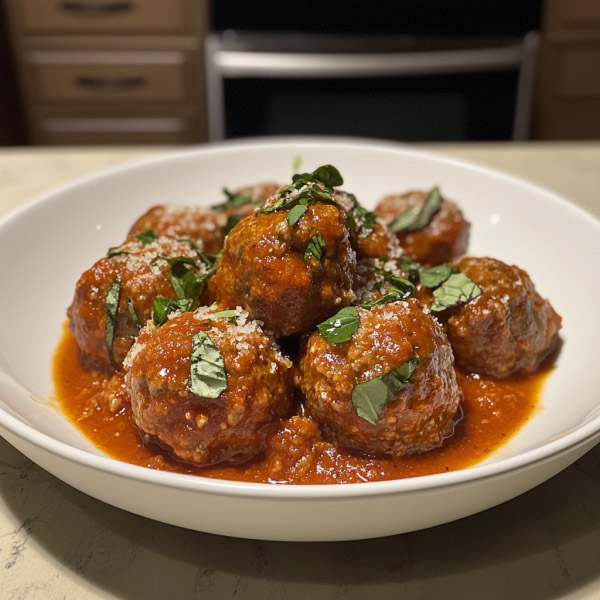
Why Meatballs Are Always a Hit
Few dishes capture the essence of comfort food quite like meatballs. Tender, juicy, and bursting with flavor, they’re a universal favorite that transcends cultures and cuisines. Whether served at cozy family dinners, Sunday suppers, or as party appetizers, meatballs bring warmth and satisfaction to the table.
Part of their charm lies in versatility. Meatballs can be nestled into a bowl of pasta, tucked into a sub sandwich, floated in soups, or enjoyed solo with dipping sauces. They adapt effortlessly to different flavors and settings, making them a reliable crowd-pleaser.
Beyond taste, meatballs evoke nostalgia. They remind us of home-cooked meals, shared laughter, and the joy of gathering around the table. Their simplicity and adaptability ensure they remain a staple in kitchens worldwide.
What Makes an “Excellent” Meatballs Recipe?
An excellent meatball is defined by its tender texture, juicy interior, and balanced flavor. Achieving this requires the right combination of meat, binder, and seasoning.
The meat provides richness, the binder (like eggs and breadcrumbs) ensures structure, and seasonings elevate flavor. Each element must work in harmony. Too little binder and the meatballs fall apart; too much and they become dense.
Technique matters as much as ingredients. Gentle mixing prevents toughness, while shaping evenly sized balls ensures consistent cooking. Cooking method—whether pan-frying, baking, or simmering in sauce—also influences texture and flavor.
An excellent recipe balances these factors, producing meatballs that are moist, flavorful, and versatile enough to shine in any dish.
The History of Meatballs
Meatballs trace their origins to Middle Eastern kofta, spiced ground meat shaped into balls or patties. In Italy, polpette became a beloved staple, often served without pasta and flavored with herbs and cheese.
As culinary traditions spread, meatballs appeared across Europe and America. Scandinavian cultures developed köttbullar, while American kitchens popularized spaghetti and meatballs, blending Italian flavors with local tastes.
Today, meatballs are found in global cuisines—from Asian sweet-and-sour variations to Latin American albóndigas. Their adaptability and comforting nature ensure they remain a timeless favorite.
Choosing the Right Meat
The choice of meat determines flavor and texture:
- Beef: Classic, hearty flavor.
- Pork: Adds richness and fat.
- Veal: Tender and delicate.
- Chicken or turkey: Leaner, lighter options.
- Blends: Combining meats creates depth and balance.
Fat content matters. Lean meats can produce dry meatballs, while fattier cuts add juiciness. A blend of lean and fatty meats often yields the best results.
Tip: Mix meats for complexity. A beef-pork-veal blend is traditional in Italian cooking, offering richness, tenderness, and flavor balance.
The Role of Binders & Seasonings
Binders are essential for structure:
- Eggs: Help hold meat together.
- Breadcrumbs: Provide texture and absorb moisture.
- Milk-soaked bread: Adds tenderness and prevents dryness.
Seasonings elevate flavor:
- Herbs: Parsley, oregano, basil.
- Spices: Garlic, onion, black pepper.
- Extras: Parmesan or Worcestershire sauce for depth.
Expert Tip: Don’t overmix. Overworking the mixture compresses the meat, leading to dense meatballs. Gentle handling keeps them tender.
Step-by-Step Guide: Making Excellent Meatballs
- Prepare meat mixture: In a large bowl, combine ground meats with eggs, breadcrumbs, milk-soaked bread, herbs, spices, and seasonings. Mix gently until just combined.
- Shape meatballs: Use a scoop or spoon to form evenly sized balls. Roll lightly with damp hands to smooth edges.
- Choose cooking method:
- Pan-frying: Creates a crispy exterior and juicy interior.
- Baking: Healthier, cooks evenly, less mess.
- Simmering in sauce: Infuses meatballs with flavor and keeps them moist.
- Cook until done: Meatballs should reach 160°F (71°C) internally.
- Rest before serving: Let meatballs sit for 5 minutes to redistribute juices.
- Serve: Pair with pasta, subs, soups, or enjoy solo with dipping sauces.
Tip: Use a scoop for uniform size. This ensures even cooking and a professional presentation.

Excellent Meatballs Recipe – Easy Italian Dinner Idea
Equipment
- Large mixing bowl
- Cutting board & knife
- Measuring cups & spoons
- Baking sheet (or skillet)
- Meat thermometer
- Scoop or spoon for shaping
Ingredients
- 1 lb ground beef (80/20 for flavor)
- ½ lb ground pork
- ½ lb ground veal or turkey (optional for blend)
- 2 large eggs
- 1 cup breadcrumbs or 2 slices milk-soaked bread
- ½ cup grated Parmesan cheese
- 3 garlic cloves, minced
- 1 small onion, finely diced
- 2 tbsp fresh parsley, chopped
- 1 tsp oregano
- 1 tsp salt
- ½ tsp black pepper
- Olive oil (for pan-frying, optional)
- Marinara sauce (optional, for simmering)
Instructions
- Prepare mixture: In a large bowl, combine meats, eggs, breadcrumbs, Parmesan, garlic, onion, parsley, oregano, salt, and pepper. Mix gently until just combined.
- Shape meatballs: Use a scoop or spoon to form evenly sized balls (about 1½ inches). Roll lightly with damp hands.
- Choose cooking method:Pan-fry: Heat olive oil in skillet. Fry meatballs until browned on all sides, 8–10 minutes.Bake: Place on greased baking sheet. Bake at 400°F (200°C) for 20–25 minutes until cooked through.Simmer: Brown meatballs lightly, then simmer in marinara sauce for 20 minutes.
- Check doneness: Meatballs should reach 160°F (71°C) internally.
- Rest & serve: Let meatballs rest 5 minutes before serving. Pair with pasta, subs, or enjoy solo with dipping sauces.
Notes
- Meat blend: Combining beef, pork, and veal creates depth of flavor.
- Binder tip: Milk-soaked bread keeps meatballs tender and moist.
- Seasoning: Adjust herbs and spices to taste; basil or chili flakes add variety.
- Cooking method: Pan-frying gives crispness, baking is healthier, simmering adds sauce flavor.
- Storage: Refrigerate up to 3 days; freeze cooked or uncooked meatballs for up to 3 months.
- Serving suggestion: Garnish with Parmesan and parsley for presentation.