
 Laura Mariano
Introduction
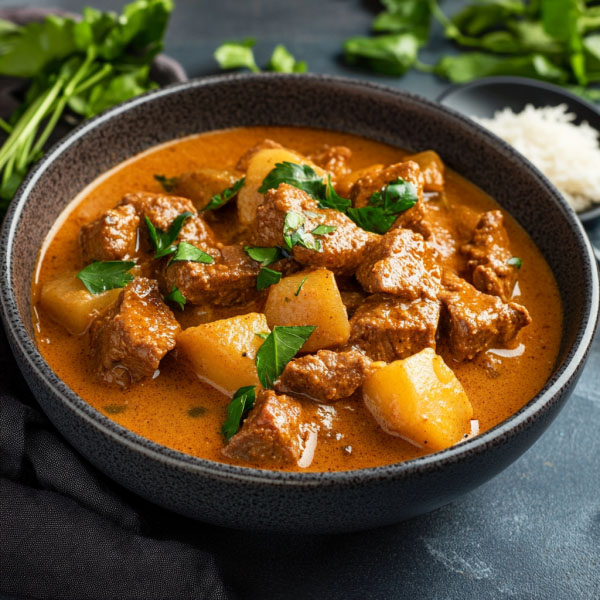
Few dishes embody comfort food quite like Beef Massaman Curry. Rich, aromatic, and deeply satisfying, it’s the kind of meal that warms you from the inside out. With tender beef simmered in coconut milk and infused with fragrant spices, this curry is both hearty and elegant.
Originating from Thai-Muslim culinary traditions, Massaman curry stands out for its unique blend of flavors. Unlike fiery Thai curries, it leans toward mild warmth, combining cinnamon, cardamom, and cloves with the richness of peanuts and potatoes. The result is a dish that feels familiar yet exotic, balancing sweet, savory, and nutty notes.
This recipe is approachable for home cooks, with step-by-step guidance and expert tips to ensure success. Whether you’re new to Thai cooking or a seasoned curry lover, Beef Massaman Curry promises to be a rewarding addition to your kitchen repertoire.
What Is Massaman Curry?
Massaman curry is a Thai dish with Muslim roots, often described as a fusion of Thai and Persian-Indian influences. The word “Massaman” is thought to derive from “Muslim,” reflecting its origins.
Unlike red or green Thai curries, Massaman is milder, sweeter, and more aromatic. It uses spices uncommon in other Thai curries—cinnamon, cardamom, cloves, and nutmeg—blended with coconut milk for a creamy base. Potatoes, peanuts, and onions add body and texture, making it hearty and comforting.
Beef is a traditional choice because its richness pairs beautifully with the curry’s depth. Slow-cooked beef absorbs the spices and coconut milk, becoming tender and flavorful. While chicken and lamb are also used, beef remains the most popular protein in authentic versions.
Historically, Massaman curry reflects centuries of cultural exchange, blending Persian and Indian spices with Thai cooking techniques. It’s a dish that tells a story of trade, migration, and culinary creativity.
Why Beef Works Perfectly in Massaman Curry
Beef is the ideal protein for Massaman curry because it thrives in slow cooking. Cuts like short ribs, chuck, or brisket are well-suited, as their marbling breaks down into melt-in-your-mouth tenderness.
As the beef simmers, it absorbs the curry’s spices and coconut milk, creating layers of flavor. The richness of beef balances the sweetness of coconut milk and the warmth of spices, resulting in a dish that feels indulgent yet balanced.
Compared to chicken, beef offers deeper flavor and a more luxurious texture. Lamb can be used, but its stronger taste may overshadow the delicate spice blend. Beef strikes the perfect harmony.
Pro Tip: Choose well-marbled beef. The fat enhances flavor and keeps the meat juicy, ensuring every bite is tender and satisfying.
Key Ingredients Explained
- Massaman curry paste: Available store-bought or homemade. Store-bought saves time, while homemade offers authenticity and depth.
- Coconut milk: Full-fat is essential for creaminess. Light versions may result in thin, less flavorful curry.
- Aromatic spices: Cinnamon, cardamom, cloves, and nutmeg distinguish Massaman from other Thai curries. They add warmth and complexity.
- Vegetables: Potatoes, carrots, and onions provide sweetness and bulk, making the curry hearty.
- Garnishes: Roasted peanuts add crunch, lime brightens flavors, and fresh herbs like cilantro or Thai basil enhance aroma.
Together, these ingredients create the signature balance of sweet, savory, nutty, and aromatic flavors.
Step-by-Step Recipe: Beef Massaman Curry
Step 1: Prepare and brown the beef. Cut beef into chunks. Heat oil in a pot and brown beef on all sides for flavor. Remove and set aside. Step 2: Sauté curry paste with aromatics. In the same pot, sauté Massaman curry paste with garlic and onions until fragrant. Step 3: Add coconut milk and simmer. Pour in coconut milk, stirring to combine. Return beef to the pot. Step 4: Incorporate vegetables and spices. Add potatoes, carrots, cinnamon stick, cardamom pods, and cloves. Season with fish sauce and palm sugar. Step 5: Slow cook until beef is tender. Cover and simmer on low for 1.5–2 hours, stirring occasionally. Step 6: Adjust seasoning and garnish. Taste and adjust with lime juice, salt, or sugar. Garnish with roasted peanuts and fresh herbs.
Texture notes: The sauce should be creamy, the beef tender, and the potatoes soft but intact. Pro Tip: Cook low and slow. Patience ensures maximum flavor and perfect texture.
Homemade vs. Store-Bought Curry Paste
Homemade curry paste offers unmatched flavor and authenticity, allowing you to control spice levels and freshness. However, it requires time and access to specialty ingredients.
Store-bought paste is convenient and widely available, making Massaman curry approachable for busy cooks. To enhance store-bought paste, sauté it with fresh garlic, ginger, and spices before adding coconut milk.
Serving Suggestions
Serve Beef Massaman Curry with jasmine rice to soak up the sauce. For variety, pair with roti or naan, which add a chewy, comforting element.
Side dishes like Thai cucumber salad or pickled vegetables provide refreshing contrast. For gatherings, present the curry in a large bowl, garnished with peanuts and herbs, surrounded by sides for a feast-like experience.
Flavor Variations & Twists
- Chicken or lamb: Swap beef for lighter or stronger flavors.
- Vegetarian/vegan: Use tofu or chickpeas, with vegetable broth instead of fish sauce.
- Tamarind: Add for tanginess.
- Seasonal: Pumpkin or sweet potato for autumnal flair.
Storage & Make-Ahead Tips
Store leftovers in airtight containers for up to 3 days. Freeze curry for up to 1 month. Reheat gently on the stove, adding a splash of coconut milk to restore creaminess.
Common Mistakes & How to Avoid Them
- Overcooking beef: Leads to dryness. Cook low and slow.
- Using low-fat coconut milk: Results in thin sauce. Always use full-fat.
- Skipping spices: Essential for authentic flavor.
- Rushing simmering: Patience is key for tender beef and balanced flavors.
Pairing Drinks with Massaman Curry
Pair with Thai iced tea, light beers, or crisp white wines. Non-alcoholic options include coconut water or ginger tea, which complement the curry’s richness.
FAQs
What cut of beef is best? Chuck, short ribs, or brisket. Can I make it without coconut milk? Substitute with cream, but flavor will differ. How spicy is it? Milder than red or green curries. Can I freeze it? Yes, up to 1 month. Difference from Panang curry? Massaman uses warm spices and peanuts; Panang is spicier and creamier. Is it healthy? Moderately—rich in protein and nutrients, but high in fat from coconut milk.
Conclusion
Beef Massaman Curry is the ultimate comfort food—rich, aromatic, and deeply satisfying. With its Thai-Muslim roots and unique blend of spices, it’s a dish that celebrates cultural fusion and culinary creativity.
Experiment with flavors, serving styles, and proteins to make it your own. Whether for family dinners or special occasions, this curry is guaranteed to impress.
Try the recipe, share with loved ones, and savor the magic of Massaman.
Beef Massaman Curry Recipe – Authentic Thai Dinner Idea
Equipment
- Large heavy pot or Dutch oven
- Wooden spoon
- Knife + cutting board
- Measuring cups & spoons
- Ladle
Ingredients
- 2 lbs beef chuck or short ribs, cut into chunks
- 2 tbsp vegetable oil
- 1 large onion, sliced
- 3 tbsp Massaman curry paste (store-bought or homemade)
- 2 cans (13.5 oz each) full-fat coconut milk
- 2 medium potatoes, peeled & cubed
- 2 carrots, sliced
- ½ cup roasted peanuts
- 1 cinnamon stick
- 2 cardamom pods
- 2 tbsp fish sauce
- 2 tbsp palm sugar (or brown sugar)
- Juice of 1 lime
- Fresh cilantro or Thai basil for garnish
Instructions
- Brown beef: Heat oil in a heavy pot. Brown beef chunks on all sides, then set aside.
- Sauté paste & aromatics: In the same pot, sauté curry paste with onions until fragrant.
- Add coconut milk: Pour in coconut milk, stir well, and return beef to the pot.
- Add vegetables & spices: Stir in potatoes, carrots, cinnamon stick, cardamom pods, fish sauce, and palm sugar.
- Simmer: Cover and cook on low heat for 1.5–2 hours, stirring occasionally, until beef is tender and vegetables are soft.
- Finish: Adjust seasoning with lime juice, salt, or sugar to balance flavors.
- Serve: Garnish with roasted peanuts and fresh herbs. Pair with jasmine rice or roti.
- Texture note: Sauce should be creamy, beef tender, and potatoes soft but intact.Pro Tip: Cook low and slow for maximum flavor infusion.
Notes
- Protein swaps: Chicken, lamb, or tofu can replace beef.
- Vegetarian option: Use chickpeas or pumpkin with vegetable broth.
- Storage: Refrigerate up to 3 days; freeze for 1 month.
- Reheating: Warm gently on the stove with a splash of coconut milk.
- Flavor tip: Homemade curry paste adds authenticity, but store-bought works well with added fresh garlic and ginger.