

 Laura Mariano
Why We All Love Restaurant Style Salsa
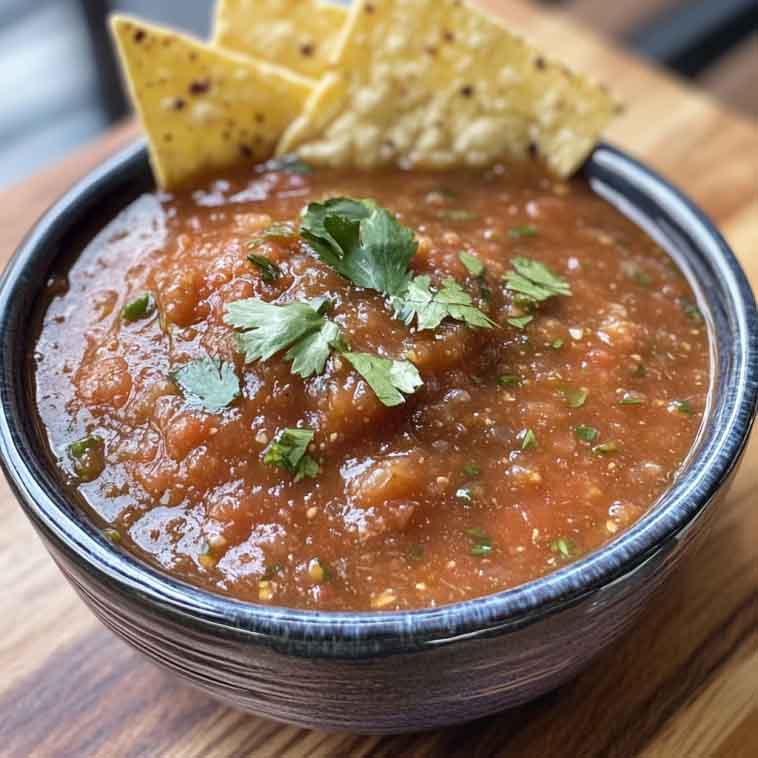
Picture this: a basket of warm, crispy tortilla chips arrives at your table, accompanied by a bowl of bright red salsa—vibrant, fresh, and perfectly balanced. That’s the magic of restaurant style salsa. It’s not just any salsa; it’s that zesty, addictive dip that keeps you coming back for more, chip after chip.
What makes this salsa so irresistible? It’s the ideal combination of tangy tomatoes, a gentle kick of heat, and a texture that’s smooth yet still delightfully chunky. Unlike the jarred salsas you find on supermarket shelves, restaurant style salsa bursts with freshness and bold flavor, making it a showstopper at any meal or party.
In this article, you’ll learn exactly how to make this classic salsa at home—with simple steps, fresh ingredients, and plenty of options to customize heat and flavor to your liking. Whether you’re a salsa newbie or a seasoned dipper, this guide will help you craft the perfect salsa that rivals your favorite Mexican restaurant.
What Is Restaurant Style Salsa?
Restaurant style salsa is a unique blend—smooth yet textured, fresh but deeply flavorful. It’s typically a tomato-based salsa that’s blended or pulsed just enough to achieve a scoopable consistency that’s neither too watery nor completely pureed.
Unlike chunky pico de gallo, which features large, distinct pieces of tomato and onion, this salsa offers a more cohesive bite. It’s usually served cold or at room temperature, distinguishing it from cooked or simmered salsas that tend to be served warm.
A signature feature of restaurant style salsa is the use of roasted or fire-roasted tomatoes, which add a subtle smokiness and depth, enhancing the flavor profile. Balanced acidity, mild heat, and fresh herbal notes from cilantro complete the experience, making it the perfect partner for chips, tacos, and more.
Fresh vs. Canned – The Tomato Debate
When it comes to making restaurant style salsa, tomatoes are the star—and the debate between fresh versus canned is a common one.
Canned tomatoes offer convenience, consistency, and year-round availability. Fire-roasted canned tomatoes, in particular, lend a smoky, rich flavor that’s hard to beat and often used in restaurants to replicate that authentic taste.
Fresh tomatoes, especially varieties like Roma or plum, provide bright, seasonal freshness. Roasting fresh tomatoes deepens their natural sweetness and adds complexity, but they can be more watery if not prepared carefully.
The best of both worlds? Combining fresh and canned tomatoes can strike the perfect balance—fresh brightness with roasted depth. A simple roast in the oven, whether using fresh or canned tomatoes, amplifies flavor and brings you closer to that restaurant-quality salsa experience.
Ingredient Breakdown – What You’ll Need
Crafting restaurant style salsa means understanding each ingredient’s role in building vibrant flavor.
Tomatoes:
Fire-roasted canned whole peeled tomatoes are a popular choice for their smoky richness. Fresh Roma or plum tomatoes also shine, especially when roasted or peeled to concentrate flavor and reduce moisture.
Onions:
White onions bring sharp, clean bite, perfect for balancing acidity. Red onions add a touch of sweetness and lovely color, while yellow onions offer a mellow, balanced flavor. For a milder twist, green onions or scallions can be used.
Garlic:
Raw garlic delivers a bold punch; roasted garlic introduces mellow, savory depth. The amount can be tailored depending on your taste preference.
Jalapeños or Serranos:
Fresh jalapeños are the standard, providing moderate heat, while serranos offer a spicier kick. Roasting these peppers imparts smoky undertones. Control heat by removing seeds and membranes or swapping in milder peppers if you prefer.
Cilantro:
Fresh cilantro is essential for its bright, herbal note that rounds out the salsa. If you’re not a fan, parsley makes a decent substitute or feel free to omit it altogether.
Lime Juice:
Freshly squeezed lime juice adds vibrant acidity and brightness, essential for balancing flavors. Bottled lime juice can work in a pinch but lacks the fresh zing.
Salt & Cumin:
Salt is critical for bringing out all the flavors, while ground cumin adds subtle earthiness and warmth, tying everything together.
Optional Add-ins:
A pinch of sugar can balance overly tart tomatoes, while a splash of vinegar (white or apple cider) adds tanginess. Smoked paprika is a great addition for enhancing smoky complexity if you want to boost that flavor note.
Equipment You’ll Need
To make restaurant style salsa at home, gather these essentials:
Blender or food processor: Key for achieving the perfect texture—smooth yet chunky enough to scoop.
Knife and cutting board: For prepping fresh ingredients quickly and safely.
Citrus juicer: Makes extracting fresh lime juice easy and efficient.
Sheet pan: If roasting fresh tomatoes, peppers, or garlic, a rimmed pan is best for even cooking.
Mixing bowls: Handy for combining, tasting, and adjusting seasoning before serving.
Step-by-Step: How to Make Restaurant Style Salsa at Home
Step 1: Prep your ingredients
Roughly chop tomatoes, onions, garlic, and peppers (if using fresh). No need to be precise—this all gets blended.
Step 2: Optional roasting
If you want added depth, roast your tomatoes, garlic, and peppers at 425°F for 15–20 minutes until blistered. Let cool.
Step 3: Blend
Add all ingredients to a blender or food processor: tomatoes, onions, garlic, jalapeños/serranos, cilantro, lime juice, cumin, salt, and a pinch of sugar (optional).
Step 4: Pulse to desired consistency
Start pulsing until smooth but still textured. Avoid over-blending into a puree—restaurant salsa has some body!
Step 5: Taste and adjust
Add more lime, salt, or heat as needed. Let sit for 15 minutes for flavors to meld, or chill for an hour for best taste.
Step 6: Serve and enjoy
Serve with warm tortilla chips or spoon over tacos, nachos, or grilled proteins.
Pro Tip: Salsa gets better with time. Make it ahead and refrigerate for fuller flavor.
Variations to Try
Roasted Tomato Salsa: Deepen flavor by roasting your tomatoes, garlic, and peppers.
Mango or Pineapple Twist: Add ½ cup fresh mango or pineapple for a sweet-spicy balance.
Spicy Chipotle Salsa: Blend in 1–2 chipotle peppers in adobo for a smoky kick.
Tomatillo Salsa: Swap tomatoes for tomatillos for a tangy, green version.
No Cilantro Option: Replace with parsley or leave out for those sensitive to the flavor.
Low-Sodium Version: Omit salt, add more lime and cumin to compensate.
Extra Thick Salsa: Drain tomatoes before blending for less water content.
Serving Suggestions
Classic pairing: Tortilla chips and salsa—it never fails.
Taco night MVP: Spoon over carne asada, chicken, or veggie tacos.
Breakfast addition: Serve with eggs, chilaquiles, or breakfast burritos.
Party favorite: Use as a dip or pour over nachos, tostadas, or enchiladas.
Flavor enhancer: Mix with sour cream or yogurt for a creamy salsa dip.
Pro Tip: Warm your chips in the oven for 5 minutes before serving for that true restaurant experience.
Storage & Make-Ahead Tips
Fridge: Store salsa in an airtight container for up to 5 days. Flavor deepens over time.
Freezer: Freeze in small portions (ice cube trays or bags) for up to 2 months. Thaw in the fridge and stir before serving.
Make-ahead: Prepare salsa a day in advance for gatherings—it’ll taste even better.
Avoid sogginess: If salsa gets watery in the fridge, stir or strain before serving.
Storage Tip: Glass jars are ideal for freshness and avoiding flavor transfer.
FAQs – People Also Ask
Q1: Can I use fresh tomatoes instead of canned?
Yes! Fresh tomatoes (especially Roma or plum) work well—roasting them enhances their flavor. Canned fire-roasted tomatoes are a convenient and flavorful option too.
Q2: How do I make salsa less spicy?
Remove seeds and membranes from peppers, or use milder varieties like Anaheim or poblano. You can also balance heat with sugar or more lime juice.
Q3: What kind of onion is best for salsa?
White onions offer a sharp bite, while red onions are slightly sweeter. Yellow onions are mellow and balanced. Use what you like best!
Q4: How do restaurants make their salsa taste so good?
They often use canned fire-roasted tomatoes, fresh cilantro, garlic, and lime—blended until smooth with a pinch of cumin and salt. Resting time enhances the flavor.
Q5: Can I make this without a blender?
Yes. You can finely chop all ingredients by hand or use a mortar and pestle for a rustic texture, but the result won’t be quite as smooth.
Restaurant Style Salsa
Equipment
- Blender or food processor
- Knife and cutting board
- Citrus juicer
- Sheet pan (for roasting)
- Mixing bowls
Ingredients
- Fire-roasted canned whole peeled tomatoes (or fresh Roma/plum tomatoes, roasted)
- White or red onion
- Fresh garlic
- Fresh jalapeño or serrano pepper
- Fresh cilantro
- Fresh lime juice
- Salt
- Ground cumin
- Optional: sugar, vinegar, smoked paprika
Instructions
- Prepare Tomatoes: Roast fresh tomatoes and peppers if using fresh; drain canned tomatoes if desired.
- Combine Ingredients: In a blender or food processor, add tomatoes, onion, garlic, jalapeño, cilantro, lime juice, salt, and cumin. Pulse until a smooth yet chunky consistency forms.
- Adjust Seasonings: Taste and adjust salt, lime juice, and optional sugar or vinegar to balance acidity and flavor.
- Chill and Serve: For best flavor, chill salsa for 30 minutes before serving. Serve with tortilla chips or as a topping for your favorite Mexican dishes.
Notes
- Texture Tip: Pulse gently to maintain some chunkiness—avoid over-blending.
- Heat Control: Remove seeds and membranes from peppers for milder salsa. Add more peppers for extra heat.
- Freshness: Use fresh lime juice for best brightness; bottled juice can dull flavor.
- Make Ahead: Salsa can be refrigerated for up to 3 days—flavors deepen over time.
- Serving Ideas: Use as a dip, taco topping, or spoon over grilled meats and eggs for a fresh kick.