
 Laura Mariano
The Heart of Italian Comfort Food
Inspired by Food Network, Cookie and Kate, Taste of Home, Italian Recipe Book, and Ambitious Kitchen, minestrone soup is the quintessential Italian comfort food. Known for its hearty texture and nourishing ingredients, it has stood the test of time as a dish that adapts to the seasons and to whatever is available in the pantry. Minestrone is timeless because it is customizable—each pot can be unique, filled with fresh vegetables, beans, and pasta, yet always deeply satisfying. Its rustic charm makes it perfect for family dinners, where everyone can gather around a steaming bowl, or for meal prep, as it reheats beautifully throughout the week. On cozy winter nights, minestrone warms both body and soul, offering a balance of comfort and nutrition. With its versatility and wholesome appeal, this soup remains a staple in kitchens worldwide, embodying the heart of Italian home cooking.
What Is Minestrone Soup?
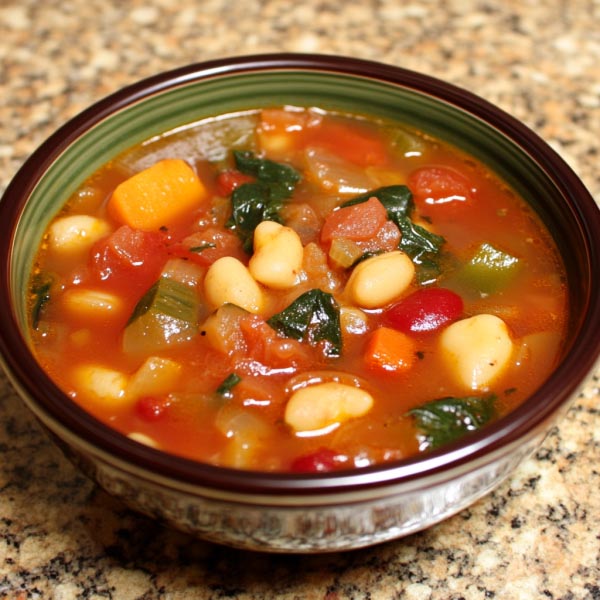
Minestrone soup is a traditional Italian vegetable soup that celebrates the bounty of the season. At its core, it combines beans, pasta, and a variety of vegetables simmered in a flavorful broth. What makes minestrone unique is its adaptability—ingredients shift depending on what’s fresh and available. In summer, zucchini and green beans might dominate, while in winter, cabbage and spinach add depth. Legumes like kidney beans, cannellini beans, or chickpeas provide protein and heartiness, while pasta adds comfort and texture. The broth, whether vegetable or chicken, ties everything together with herbs like oregano, thyme, and basil. This balance of comfort and nutrition makes minestrone a dish that feels indulgent yet wholesome. It’s a soup that can be endlessly customized, ensuring no two bowls are ever quite the same, yet always delivering the warmth and nourishment that define Italian cuisine.
Ingredient Overview
The beauty of minestrone lies in its variety and flexibility:
- Base: Olive oil, onion, garlic, carrots, and celery form the aromatic foundation, creating depth and sweetness.
- Vegetables: Zucchini, green beans, cabbage, and spinach add color, texture, and nutrients. Seasonal vegetables ensure freshness and flavor.
- Legumes: Kidney beans, cannellini beans, and chickpeas provide protein, fiber, and heartiness.
- Broth: Vegetable stock keeps it vegetarian, while chicken stock adds richness.
- Pasta: Elbow macaroni, orecchiette, or ditalini are traditional choices, offering bite and comfort.
- Seasonings: Oregano, thyme, basil, bay leaves, and pepper infuse the soup with Italian character.
- Optional add-ins: Parmesan cheese for umami, lemon juice for brightness, and parsley for freshness.
Tip: Always use seasonal vegetables for the freshest flavor and most authentic experience.
Step-by-Step Instructions
- Sauté the aromatics: Heat olive oil in a large pot over medium heat. Add diced onion, minced garlic, chopped carrots, and celery. Cook for 5–7 minutes until softened and fragrant.
- Build the base: Stir in 2 tablespoons of tomato paste and cook for 1 minute. Add 1 can of diced tomatoes and 6 cups of vegetable or chicken broth. Bring to a simmer.
- Add beans and vegetables: Stir in kidney beans, cannellini beans, or chickpeas, along with seasonal vegetables such as zucchini, green beans, or cabbage. Simmer for 20–25 minutes until vegetables are tender.
- Add pasta and greens: Stir in 1 cup of pasta and cook until al dente. Add spinach or other leafy greens in the last 2–3 minutes to preserve color and nutrients.
- Finish and serve: Adjust seasoning with salt, pepper, and herbs. Ladle into bowls and garnish with Parmesan cheese and fresh parsley.
Tip: If you plan to store leftovers, cook pasta separately and add it to individual servings. This prevents sogginess and keeps the soup fresh.
Flavor Variations & Add-Ons
Minestrone is endlessly versatile. For added depth, sauté pancetta or bacon with the aromatics. To make it spicy, sprinkle in red pepper flakes or drizzle chili oil before serving. For a lighter twist, swap pasta for rice or quinoa, which adds texture and makes the soup gluten-free. You can also experiment with fresh herbs like rosemary or dill for unique flavor profiles. Each variation keeps the soul of minestrone intact while tailoring it to your taste and dietary preferences.
Serving Suggestions
Serve minestrone piping hot with crusty bread or garlic focaccia for dipping. Pair it with a crisp green salad to balance the richness of the soup. For gatherings, offer grated Parmesan and lemon wedges on the side so guests can customize their bowls. Minestrone also works beautifully as a starter for Italian dinners or as a main course when paired with wine. Its rustic charm makes it suitable for casual family meals or cozy winter evenings, ensuring every serving feels nourishing and satisfying.
Easy Classic Minestrone Soup Recipe | Hearty Italian Vegetable Soup
Equipment
- Large soup pot or Dutch oven
- Wooden spoon
- Cutting board & knife
- Measuring cups & spoons
- Ladle
Ingredients
- 2 tbsp olive oil
- 1 onion, diced
- 3 garlic cloves, minced
- 2 carrots, chopped
- 2 celery stalks, chopped
- 2 tbsp tomato paste
- 1 can (14 oz) diced tomatoes
- 6 cups vegetable or chicken broth
- 1 cup zucchini, chopped
- 1 cup green beans, trimmed and cut
- 1 cup cabbage, shredded
- 1 can kidney beans, rinsed and drained
- 1 can cannellini beans, rinsed and drained
- 1 cup chickpeas, rinsed and drained
- 1 cup pasta (ditalini, elbow macaroni, or orecchiette)
- 2 cups spinach or kale
- 1 tsp oregano
- 1 tsp thyme
- 1 tsp basil
- 2 bay leaves
- Salt & pepper to taste
- Optional: Parmesan cheese, lemon juice, parsley
Instructions
- Heat olive oil in a large pot over medium heat. Add onion, garlic, carrots, and celery. Sauté for 5–7 minutes until softened.
- Stir in tomato paste and cook for 1 minute. Add diced tomatoes and broth. Bring to a simmer.
- Add beans (kidney, cannellini, chickpeas) and vegetables (zucchini, green beans, cabbage). Simmer for 20–25 minutes until tender.
- Stir in pasta and cook until al dente. Add spinach or kale in the last 2–3 minutes to preserve color and nutrients.
- Season with oregano, thyme, basil, bay leaves, salt, and pepper. Remove bay leaves before serving.
- Ladle into bowls and garnish with Parmesan, parsley, or a squeeze of lemon juice.
Notes
- Make‑ahead: Store in airtight containers for 3–4 days or freeze without pasta for up to 2 months.
- Reheating: Warm gently on stovetop; add fresh greens after reheating for best texture.
- Common mistakes: Avoid overcooking pasta, don’t add spinach too early, and taste broth before adding beans.
- Variations: Add pancetta or bacon for depth, red pepper flakes for spice, or swap pasta for rice/quinoa.
- Pairings: Serve with crusty bread or garlic focaccia, and pair with a crisp salad.