

 Laura Mariano
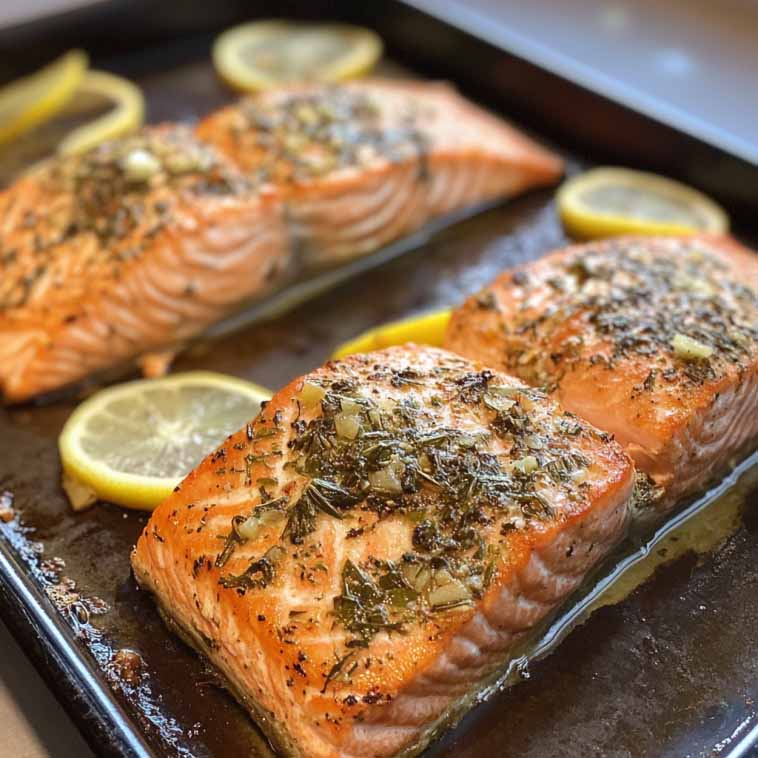
Why Baked Salmon Is Your Healthy Go-To Dinner
Baked salmon is the perfect healthy dinner solution—flaky, tender, and bursting with flavor, all while requiring minimal effort. Baking is a gentle cooking method that locks in moisture and nutrients without adding extra fats or oils, making it a top choice for health-conscious eaters. Unlike frying or sautéing, baking preserves the delicate omega-3 fatty acids that are essential for heart and brain health.
This foolproof baked salmon recipe delivers not just on nutrition but also on taste, featuring simple, fresh seasonings that enhance the fish’s natural richness. It’s versatile enough to work for busy weeknights, make-ahead meal prep, or family dinners where everyone’s looking for something wholesome and satisfying. Whether paired with steamed vegetables, a fresh salad, or roasted potatoes, baked salmon brings together convenience, health benefits, and gourmet appeal in one elegant dish.
What Makes Salmon So Healthy?
Salmon is a nutritional powerhouse, especially rich in omega-3 fatty acids—EPA and DHA—that support cardiovascular health by reducing inflammation and lowering blood pressure. These essential fats are linked to improved brain function and joint health as well.
Beyond healthy fats, salmon is an excellent source of high-quality protein, which is vital for muscle repair and overall body function. It also packs essential vitamins like vitamin D, crucial for bone health and immune support, and vitamin B12, necessary for energy production and neurological function.
With a low calorie and low carbohydrate profile, salmon fits perfectly into many dietary plans. An expert tip: wild-caught salmon typically contains higher omega-3 levels and fewer contaminants than farmed varieties, making it a preferred choice when possible.
Understanding Baking vs. Other Cooking Methods for Salmon
When it comes to cooking salmon, baking stands out as a method that locks in moisture while requiring little added fat. Unlike frying, which can add unnecessary oils and increase calories, baking cooks the fish evenly and gently. Compared to grilling, baking avoids the risk of drying out or charring the delicate flesh, while steaming—though healthy—can lack the appealing texture and flavor that baking delivers.
Baking at a moderate temperature (around 375°F or 190°C) ensures the salmon cooks through without becoming tough or dry. Timing is key: generally, 12–15 minutes is enough for standard fillets, depending on thickness. Using an oven thermometer or a meat thermometer helps you hit the perfect doneness, where the salmon flakes easily but remains moist.
Ingredient Spotlight – What Goes Into a Healthy Baked Salmon
Salmon Fillets:
Choose skin-on fillets if you like crispy skin, which adds texture and flavor. Skinless works well too, especially for those who prefer a softer bite. Fillet thickness affects cooking time—thicker cuts need a few extra minutes.
Seasonings:
Keep it simple and fresh with sea salt and cracked black pepper as the base. Brighten flavors with freshly squeezed lemon juice or thin lemon slices on top. Garlic (minced or powdered) adds savory depth, while fresh herbs like dill, parsley, and thyme bring aromatic brightness.
Healthy Fats:
A light drizzle of olive oil or avocado oil keeps the salmon moist and enhances flavor without excess calories. These fats also complement the omega-3s naturally found in the fish.
Optional Flavor Boosters:
For a bit of complexity, spread a thin layer of Dijon mustard or honey mustard on top before baking. A splash of low-sodium soy sauce can add umami richness. Citrus zest (lemon, orange, or lime) adds a fragrant twist that elevates the dish.
Fresh Vegetables or Sides:
Consider making a one-pan meal by adding vegetables like asparagus, cherry tomatoes, or green beans to the baking sheet. These cook alongside the salmon, soaking up flavorful juices and creating a complete, nutritious dinner.
Tools & Equipment Needed
To make perfect baked salmon, you’ll need:
A sturdy baking sheet or oven-safe dish that fits your fillets comfortably.
Parchment paper or a silicone baking mat to prevent sticking and make cleanup easier.
A sharp knife and cutting board for prepping fillets and slicing garnishes.
A meat thermometer is invaluable to ensure the salmon is perfectly cooked—aim for an internal temperature of 125–130°F (52–54°C) for medium doneness.
Prep Tips for Best Results
For crispy skin and even cooking, pat your salmon fillets dry with paper towels before seasoning. Allow the fish to sit at room temperature for about 15 minutes before baking to promote even heat penetration. Use fresh herbs and a squeeze of citrus just before or after baking to add brightness and freshness. Finally, always preheat your oven fully to maintain consistent temperature and prevent undercooked or overcooked spots.
How to Bake Salmon – Step-by-Step Instructions
Step 1: Preheat and Prepare
Preheat your oven to 375°F (190°C). Line a baking sheet with parchment paper or a silicone mat for easy cleanup. Pat the salmon fillets dry, then lightly brush or drizzle with olive oil. Season generously with salt, pepper, and any desired herbs or spices.
Step 2: Add Flavor Enhancers
Place lemon slices on top of each fillet and scatter minced garlic or fresh herbs like dill or thyme around the fish. If using optional flavor boosters like Dijon mustard or honey, spread a thin layer over the top now.
Step 3: Bake the Salmon
Place the baking sheet in the oven and bake for 12–15 minutes, depending on thickness. Check for doneness by gently pressing the thickest part—salmon should flake easily but remain moist. For precision, use a meat thermometer aiming for 125–130°F (52–54°C).
Step 4: Rest and Serve
Remove from the oven and let the salmon rest for 3–5 minutes. This helps redistribute juices. Serve immediately with your choice of sides or sheet pan veggies cooked alongside.
Variations & Flavor Twists
Mediterranean Style: Add olives, cherry tomatoes, and capers before baking. Sprinkle with oregano and finish with a drizzle of extra virgin olive oil.
Asian-Inspired: Marinate salmon in a mix of low-sodium soy sauce, grated ginger, garlic, and a touch of honey before baking. Garnish with sliced green onions and sesame seeds.
Herb-Crusted: Combine chopped parsley, dill, garlic, lemon zest, and breadcrumbs, pressing onto the fillets before baking for a crunchy topping.
Spicy Kick: Add smoked paprika, chili flakes, or a dash of cayenne to your seasoning blend.
Sheet Pan Meal: Roast salmon with a mix of asparagus, baby potatoes, and cherry tomatoes tossed in olive oil and herbs for a one-pan dinner.
Expert Tips for Perfect Baked Salmon
Don’t overcook: Salmon becomes dry quickly; use a thermometer or watch for flaking.
Room temperature: Let fish come to room temp before baking for even cooking.
Skin-on benefits: Skin protects flesh and crisps up nicely.
Oil lightly: A small amount of healthy fat enhances moisture and flavor.
Use fresh herbs and citrus: Add brightness and freshness to balance richness.
Rest before serving: Helps retain juices and flavor.
Serving Suggestions
Serve your baked salmon with a crisp green salad, roasted vegetables, or steamed grains like quinoa or brown rice. A lemon wedge on the side adds extra zest. For an elegant touch, garnish with fresh dill or parsley. Leftovers make great salads or sandwiches the next day.
Storage & Reheating Tips
Store cooked salmon in an airtight container in the refrigerator for up to 3 days. To reheat, gently warm in a low oven (about 275°F/135°C) for 10–15 minutes or microwave briefly covered with a damp paper towel to retain moisture. Avoid overheating to prevent drying out.
FAQs – People Also Ask
Can I bake frozen salmon?
Yes, but it will take longer and may cook unevenly. Ideally, thaw before baking.
What temperature is best for baked salmon?
375°F (190°C) is ideal for even cooking and tender texture.
How do I know when salmon is done?
It flakes easily with a fork and reaches an internal temperature of 125–130°F (52–54°C).
Can I use salmon fillets with skin removed?
Yes, but skin-on helps keep the fish moist and adds flavor.
Is baked salmon healthy?
Absolutely—it retains omega-3s and requires minimal added fat.
Healthy Baked Salmon
Equipment
- Baking sheet or oven-safe dish
- Parchment paper or silicone baking mat
- Sharp knife and cutting board
- Meat thermometer (optional but recommended)
- Mixing bowl (for seasoning or marinades)
Ingredients
- 4 salmon fillets (6 oz each), skin-on or skinless
- 1–2 tbsp olive oil or avocado oil
- Salt and freshly ground black pepper, to taste
- 2 cloves garlic, minced
- 1 lemon (zest and thin slices)
- Fresh herbs: dill, parsley, or thyme (about 2 tbsp chopped)
- Optional: 1 tsp Dijon mustard or honey for glazing
- Optional vegetables for roasting: asparagus, cherry tomatoes, green beans
Instructions
- Preheat oven to 375°F (190°C). Line a baking sheet with parchment paper or a silicone mat.
- Pat salmon fillets dry, then place on the baking sheet skin-side down (if skin-on).
- Brush fillets lightly with olive oil. Season with salt, pepper, and minced garlic.
- Add lemon zest and place thin lemon slices on top of each fillet. Sprinkle fresh herbs evenly.
- Optional: Spread a thin layer of Dijon mustard or honey over the top for extra flavor.
- If using vegetables, toss them in olive oil, salt, and herbs, and arrange around the salmon on the sheet.
- Bake for 12–15 minutes, until salmon flakes easily with a fork and reaches 125–130°F (52–54°C).
- Remove from oven and let rest for 3–5 minutes before serving.
Notes
- For crispy skin, pat dry thoroughly and avoid flipping the salmon during baking.
- Use wild-caught salmon when possible for higher omega-3 content and better flavor.
- Adjust cooking time for thicker or thinner fillets.
- Leftover salmon works great in salads, wraps, or salmon cakes.
- To make a complete meal, roast vegetables alongside the salmon on the same pan.